Last Updated: 1 April 2026
Dua e nisf shaban is a deeply spiritual Islamic prayer recited on the 15th night of Shaban (the Islamic month before Ramadan), believed to bring blessings, forgiveness, and divine protection.
Quick Stats Table
| Detail | Information |
|---|---|
| Islamic Month | Shaban (8th month) |
| Night of Recitation | 15th night (Nisf = Half) |
| When It Falls (2025) | March 9-10, 2025 (Approximate) |
| Recitation Duration | 5-15 minutes (varies) |
| Best Time | After Isha prayer till dawn |
| Significance | Forgiveness, blessings, divine mercy |
| Mentioned In | Hadith collections |
What Is Dua E Nisf Shaban? The Direct Answer
Imagine having a special night where you can directly ask God for forgiveness, blessings, and protection. That’s what dua e nisf shaban is—a beautiful Islamic prayer recited on the 15th night of the Islamic month Shaban. It’s like having a spiritual appointment with the Almighty, a moment when the gates of heaven feel especially close.
In Islamic tradition, dua e nisf shaban (also written as “nisf sha’ban”) literally means “the prayer of the middle of Shaban.” It’s one of those sacred practices that Muslims have been following for centuries, passed down through generations of believers. The night is considered blessed and spiritually significant, with many Muslims setting aside time to pray, ask for forgiveness, and seek divine mercy.
The beauty of this dua is that it’s not just about asking—it’s about connecting. It’s a moment where you pause from your daily life, reflect on your actions, and reach out to something greater than yourself.
Why Is Nisf Shaban So Important? Understanding the Significance
Let me tell you why Muslims consider dua e nisf shaban so special.
First, it’s about timing. In the Islamic calendar, Shaban is the month right before Ramadan—the holiest month. Think of Shaban as the warm-up before the main event. The 15th night specifically (nisf means “middle” or “half”) is when the veil between heaven and earth feels thinner. It’s a preparation period, spiritually speaking.
Second, it’s deeply rooted in Islamic tradition. While the Quran doesn’t explicitly name this specific night as mandatory, the Hadith literature—the teachings and practices of Prophet Muhammad (peace be upon him)—mentions it as a night of tremendous spiritual importance. Scholars have written extensively about the benefits of dua e nisf shaban, recommending it as a practice for seeking forgiveness and blessings.
Third, there’s a beautiful philosophy behind it. The night represents a fresh start. You’re acknowledging your mistakes from the past, asking for forgiveness, and requesting guidance for better days ahead. In a world where we’re always rushing, this dua creates space for genuine spiritual reflection.
Significance Breakdown Table
| Aspect | Why It Matters |
|---|---|
| Spiritual Connection | Direct communication with Allah |
| Forgiveness Seeking | Chance to ask for pardon for past errors |
| Blessings Request | Asking for health, prosperity, peace |
| Ramadan Preparation | Spiritual cleansing before the holy month |
| Divine Mercy | Believed time when mercy is abundant |
| Historical Continuity | Practice followed by Muslims for 1400+ years |
The Full Dua E Nisf Shaban: Arabic Text & Complete Translations
Now, let’s look at the actual prayer. Here’s dua e nisf shaban in its full form:
Arabic Text:
﷽
اَللَّهُمَّ يَا ذَا الْمَنِّ وَلَا يُمَنُّ عَلَيْ
يَا ذَا الْجَلَالِ وَالإِكْرَامِ
يَا ذَا الطَّوْلِ وَالإِنْعَامِ
لَا إِلَهَ إِلَّا أَنْتَ ظَهْرَ اللَّاجِئينَ
وَجَارَ الْمُسْتَجِيرِينَ
وَأَمَانَ الْخَائِفِينَ
َاَللَّهُمَّ إِنْ كُنْتَ كَتَبْتَنِي عِنْدَكَ فِي أُمِّ الْكِتَابِ شَقِيًّا أَوْ مَحْرُومًا أَوْ مَطْرُودًا أَوْ مُقَتَّرًا عَلَيَّ فِي الرِّزْقِ، فَامْحُ اللَّهُمَّ بِفَضْلِكَ شَقَاوَتِي وَحِرْمَانِي وَطَرْدِي وَإِقْتَارَ رِزْقِي، وَأَثْبِتْنِي عِنْدَكَ فِي أُمِّ الْكِتَابِ سَعِيدًا مَرْزُوقًا مُوَفَّقًا لِلْخَيْرَاتِ
فَإِنَّكَ قُلْتَ وَقَوْلُكَ الْحَقُّ فِي كِتَابِكَ الْمُنَزَّلِ عَلَى لِسَانِ نَبِيِّكَ الْمُرْسَلِ: يَمْحُو اللهُ مَا يَشَاءُ وَيُثْبِتُ وَعِنْدَهُ أُمُّ الْكِتَابِ، إِلهِي بِالتَّجَلِّي الْأَعْظَمِ فِي لَيْلَةِ النِّصْفِ مِنْ شَهْرِ شَعْبَانَ الْمُكَرَّمِ
اَلَّتِي يُفْرَقُ فِيهَا كُلُّ أَمْرٍ حَكِيمٍ وَيُبْرَمُ، أَنْ تَكْشِفَ عَنَّا مِنَ الْبَلَاءِ وَ الْبَالْوَ آءِ مَا نَعْلَمُ وَمَا لَا نَعْلَمُ وَ أَنْتَ بِهِ أَعْلَمُ، إِنَّكَ أَنْتَ الْأَعَزُّ الْأَكْرَمُ. وَصَلَّى اللهُ عَلَى تَعا لٰى عَلٰى سَيِّدِنَا مُحَمَّدٍ وَعَلَى آلِهِ وَاَصَحْبِهِ وَسَلَّمَ وَالْحَمْدُلِلّٰهِ رَبِّ الْعٰلَمِيْن
Transliteration (Roman English):
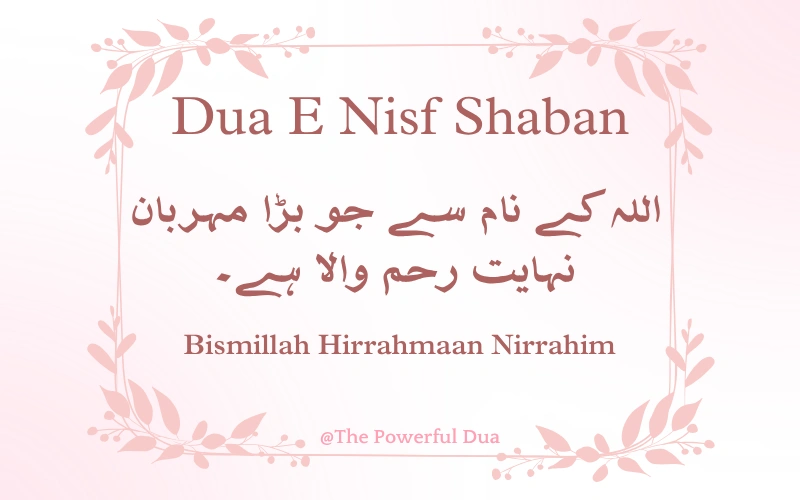
Bismillah Hirrahmaan Nirrahim
Allahumma Ya Zal Manni Walaa Yumannu Alaihi
Ya Zal Zalaalee Wal Eikraam
Ya Zat-tawlee Wal Inaaam
La illaha illa Anta Zahrullajina
Wa Zaarul MustZireena
Wa Amaanul KhaaeefinaAllahumma inni Kunta Qatab Tani indka Fee Umeel Kitaabee Shakiyyan Aw Mahruman Aw Matrudan Aw Muktaran Alayya Firrijkee, Famhoo Allahumma Bi Fadlikaa Shakaawati Wa Heermaani Wa Tardii Wak Titaara Rijki Wa Asbitni indka Fee Umeel Kitaabee Saeidam Marjukam Muwaffakal Lil Khairaati
Fa innakaa Kulta Wa Kaulukal Haqqu Fee Kitaabeekal Munzzali Alaa Lisaani Nabiyyeekal Mursal, Yamhullahu Ma Yashaau Wa Yusibatu Wa Indahu Ummul Kitaabee, Elahi Bitjalli Yeel A’azam Fee Lailtinnisfe Min Shahree Sha’ Abaanal Mukarram.Allati Yuf Raku Feeha Qullu Amrin Haqeeminw Wa Yubramu, An Takshifaa Anna Minnal Balaai Wal Balwaai Maa Na’almoo Wamaa La Na’alam Wa Anta Beehi A’alam, innaka Antal A’azzul Akram Wa Sallallaaho T’Aala Ala Sayyidina Muhammadeenw Wa Ala Aalihi Wa Ashabeehi Wasallam Wal Hamdu Lillahi Rabbil Aalmin.
English Translation:
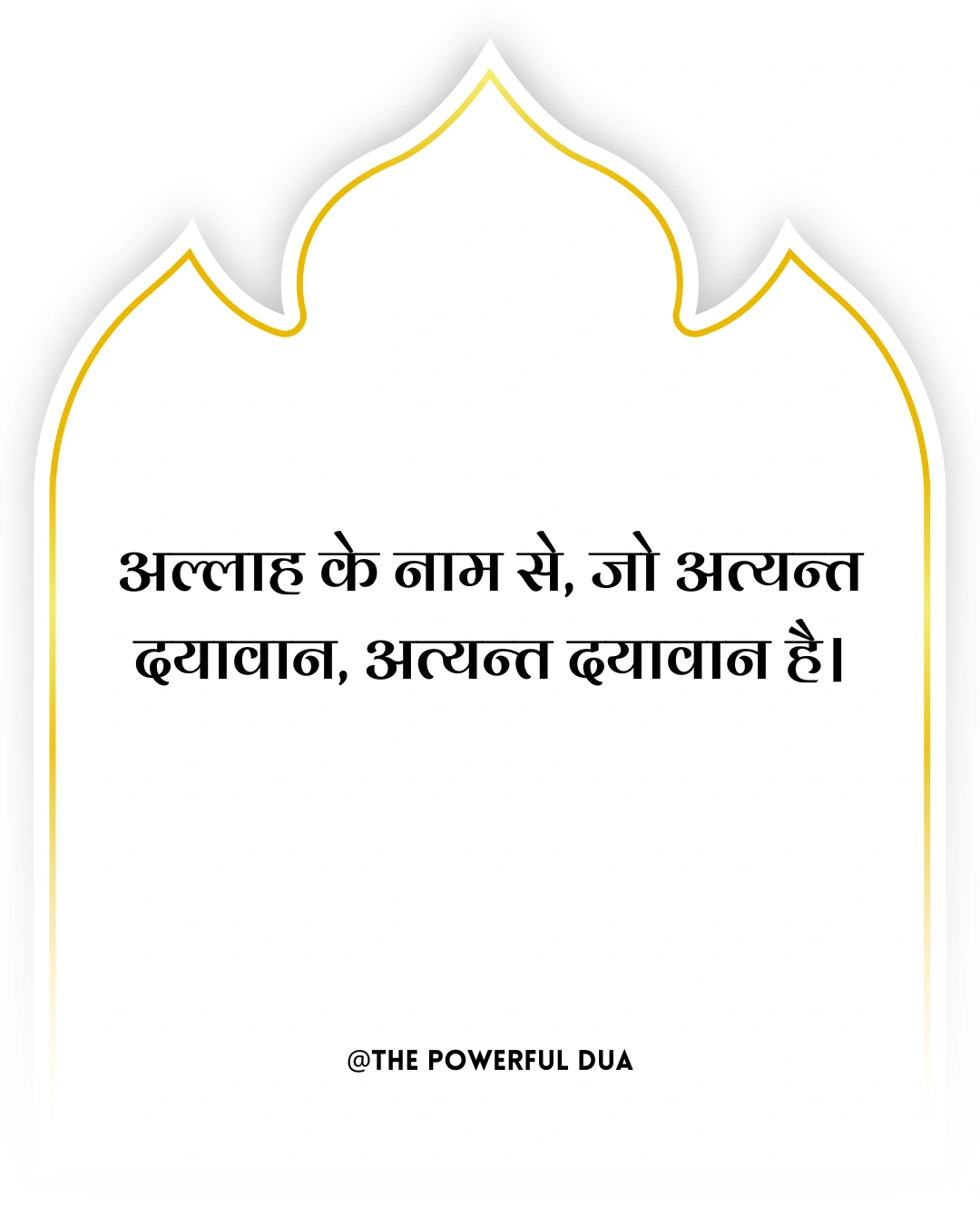
In the name of God, the Most Gracious, the Most Merciful.
O God, the Bestower of Favors, upon whom no favor is bestowed,
O Possessor of Majesty and Honor,
O Possessor of Bounty and Generosity,
There is no god but You, the Support of the refugees,
The Protector of those who seek refuge,
The Security of the fearful.O God, if You have written me in the Preserved Tablet as wretched, deprived, rejected, or with a restricted provision, then erase, O God, by Your grace, my wretchedness and deprivation. And my expulsion and the scarcity of my sustenance, and establish me with You in the Mother of the Book, happy, provided for, and successful in good deeds.
For You have said, and Your word is the truth, in Your Book revealed through the tongue of Your Messenger: “God erases what He wills and confirms what He wills,” and with Him is the Mother of the Book. My God, by the greatest manifestation on the night of the fifteenth of the blessed month of Sha’ban,
in which every It is a wise and decisive command that You remove from us all afflictions and calamities, both those we know and those we do not know, for You are the Most Knowing.Indeed, You are the Most Mighty, the Most Generous. May God Almighty bless our master Muhammad, his family, and his companions, and grant them peace. All praise is due to God, Lord of the Worlds.
Hindi Translation (Simple Meaning):
अल्लाह के नाम पर, जो सबसे मेहरबान, सबसे रहमदिल है।
ऐ अल्लाह, एहसान देने वाले, जिस पर कोई एहसान नहीं किया जाता,
ऐ शान और इज्ज़त के मालिक,
ऐ रहमत और दरियादिली के मालिक,
आपके सिवा कोई भगवान नहीं है, पनाह लेने वालों का सहारा,
पनाह मांगने वालों का बचाने वाला,
डरने वालों की हिफ़ाज़त।ऐ अल्लाह, अगर आपने मुझे सुरक्षित टेबलेट में बेचारा, ज़रूरतमंद, ठुकराया हुआ, या कम खाने-पीने की चीज़ों के साथ लिखा है, तो ऐ अल्लाह, अपनी मेहरबानी से मेरी तकलीफ़ और कमी को मिटा दीजिए। और मेरे निकाले जाने और मेरे खाने-पीने की कमी को, और मुझे अपने साथ किताब की माँ में खुश, ज़रूरतमंद, और अच्छे कामों में कामयाब बनाकर रख दीजिए।
क्योंकि आपने कहा है, और आपका वचन सच है, आपकी किताब में आपके रसूल की ज़बान से ज़ाहिर हुआ: “अल्लाह जो चाहता है मिटा देता है और जो चाहता है पक्का करता है,” और उसके साथ किताब की माँ है।
मेरे अल्लाह, शाबान के मुबारक महीने की पंद्रहवीं रात को सबसे बड़े ज़ाहिर होने से,
जिसमें हर यह एक समझदारी भरा और पक्का हुक्म है कि आप हमसे सभी दुख और मुसीबतें दूर कर दें, वे भी जिन्हें हम जानते हैं और वे भी जिन्हें हम नहीं जानते, क्योंकि आप सबसे ज़्यादा जानने वाले हैं। बेशक, आप सबसे ताकतवर, सबसे उदार हैं। अल्लाह हमारे मालिक मुहम्मद, उनके परिवार और उनके साथियों पर कृपा करें, और उन्हें शांति दें। सारी तारीफ़ें दुनिया के रब, अल्लाह के लिए हैं।
Urdu Translation:
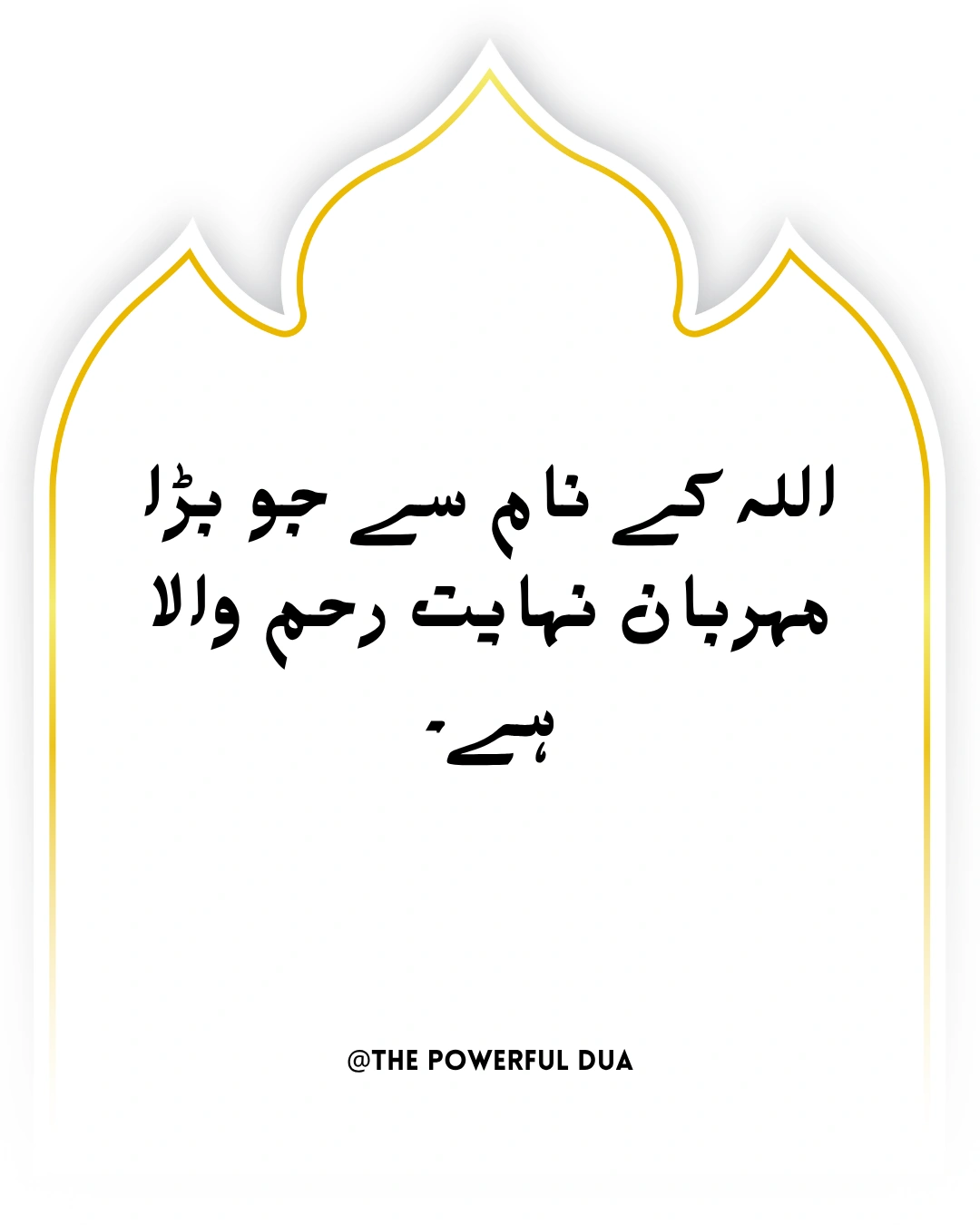
خدا کے نام سے جو بڑا مہربان نہایت رحم والا ہے۔
اے نعمتوں کے عطا کرنے والے خدا جس پر کوئی احسان نہیں
اے بزرگی اور عزت کے مالک
اے فضل اور سخاوت کے مالک،
تیرے سوا کوئی معبود نہیں، پناہ گزینوں کا سہارا،
پناہ مانگنے والوں کا محافظ،
ڈرنے والوں کی حفاظت۔
اے خدا، اگر تو نے مجھے محفوظ شدہ تختی میں بدبخت، محروم، رد یا محدود رزق کے ساتھ لکھا ہے، تو اے خدا، اپنے فضل سے میری محرومی اور محرومی کو مٹا دے۔ اور میرا اخراج اور میرے رزق کی تنگی کو دور کر، اور مجھے اپنے ساتھ مادرِ کتاب میں قائم کر، خوش نصیب، رزق دینے والا، اور نیک کاموں میں کامیاب ہو گیا۔کیونکہ آپ نے فرمایا ہے اور آپ کی بات سچ ہے، آپ کی کتاب میں جو آپ کے رسول کی زبان سے نازل ہوئی ہے: “خدا جو چاہتا ہے مٹا دیتا ہے اور جو چاہتا ہے تصدیق کرتا ہے” اور اس کے پاس کتاب کی ماں ہے۔ اے میرے خدا، ماہِ شعبان کی پندرہویں شب کو عظیم ترین ظہور سے،
جس میں ہر ایک حکیمانہ اور فیصلہ کن حکم ہے کہ تو ہم سے تمام مصائب اور آفات کو دور کر دے، جن کو ہم جانتے ہیں اور جن کو ہم نہیں جانتے، کیونکہ تو سب سے زیادہ جاننے والا ہے۔ بے شک تو غالب اور سب سے زیادہ کریم ہے۔ اللہ تعالیٰ ہمارے آقا محمد، ان کی آل اور ان کے اصحاب پر اپنی رحمتیں نازل فرمائے اور انہیں سلامتی عطا فرمائے۔ تمام تعریفیں اللہ کے لیے ہیں جو رب العالمین ہے۔
When Should You Recite Dua E Nisf Shaban? Timing & Best Practices
Timing matters when it comes to dua e nisf shaban. Let me break down exactly when and how to do this properly.
The Night: The 15th night of Shaban (the Islamic lunar month). In 2025, this falls around March 9-10, but exact dates vary because the Islamic calendar is lunar-based. You can check with your local mosque or Islamic calendar apps for precise timing.
The Time: Most scholars suggest starting after the Isha prayer (the night prayer) and continuing until dawn. Some prefer the last third of the night, as Islamic tradition considers this the most spiritually powerful time—when it’s quietest and you’re least distracted.
The Preparation: Don’t just dive into it unprepared. Perform ablution (wudu) beforehand to be in a state of spiritual cleanliness. Find a quiet space. Turn off your phone. This creates the right mental space for genuine prayer.
The Duration: There’s no fixed time. Some people spend 5 minutes, others dedicate an hour. The quality of your intention matters more than quantity.
Step-by-Step Timing Guide
| Step | Timing |
|---|---|
| Check Islamic Calendar | Find exact date of 15th Shaban |
| Perform Wudu (Ablution) | 5-10 minutes before |
| Begin Dua | After Isha prayer is best |
| Optimal Time | Last third of the night (2 AM – 4 AM) |
| Duration | 5-30 minutes (as you’re comfortable) |
| End Time | Anytime until Fajr (dawn prayer) |
How to Recite Dua E Nisf Shaban: Step-by-Step Instructions
Here’s exactly how to perform dua e nisf shaban properly:
Step 1: Prepare Yourself Cleanse your body and heart. Perform wudu (ablution). Wear clean clothes if possible. This isn’t about being perfect—it’s about showing respect for this spiritual act.
Step 2: Find Your Space Pick a quiet corner in your home. A prayer mat, carpet, or clean floor is fine. Remove distractions. You want your mind focused, not jumping between notifications and worries.
Step 3: Begin With Intention In Islam, intention (niyyah) is everything. Silently or aloud, state your intention: “I’m reciting this dua seeking forgiveness, blessings, and divine mercy.”
Step 4: Raise Your Hands In Islamic tradition, raising your hands while making dua shows submission and openness to receiving blessings. Hold your hands at chest level, palms facing upward.
Step 5: Recite the Dua Say the dua slowly, with understanding and feeling. Whether you recite in Arabic or English/Urdu translation, sincerity is what counts. Don’t rush—take your time with each word.
Step 6: Personalize Your Request After the traditional dua, add your own personal prayers. Ask for what you genuinely need—health for your family, guidance in decisions, forgiveness for specific mistakes. Make it real, make it personal.
Step 7: Have Faith End by trusting that your prayer has been heard. In Islamic belief, sincere prayers are never wasted. They either get answered directly or substituted with something better.
Amazing Benefits of Dua E Nisf Shaban: What People Experience
Now let’s talk about why Muslims are so passionate about dua e nisf shaban. The benefits are profound:
Spiritual Cleansing: The biggest benefit is feeling spiritually reset. Imagine washing away the dust of your daily mistakes and wrongdoings. That’s what this dua does—it creates a fresh slate spiritually.
Increased Forgiveness: Many Muslims report feeling a deep sense of relief after reciting dua e nisf shaban, as if a weight has lifted. This comes from genuinely asking for forgiveness and believing it’s been granted.
Enhanced Ramadan Experience: Since this night comes before Ramadan, many find that practicing dua e nisf shaban prepares them mentally and spiritually for the holy month. They enter Ramadan with renewed energy and focus.
Divine Blessings: Believers report experiencing unexpected goodness—opportunities appearing, relationships improving, financial blessings arriving. Whether coincidence or divine intervention, the positive effects are real for many.
Peace of Mind: In a world of stress and anxiety, taking time for dua e nisf shaban provides mental calm. The act of prayer itself is therapeutic.
Answers to Prayers: Many Muslims testify that duels made on this night were answered—problems solved, difficulties eased, wishes fulfilled.
Benefits Summary Table
| Benefit | How It Works |
|---|---|
| Forgiveness | Direct request to Allah for pardon |
| Spiritual Reset | Clearing past mistakes mentally |
| Peace | Meditation-like calming effect |
| Blessings | Asking for health, wealth, happiness |
| Guidance | Seeking divine direction for life |
| Protection | Asking for safety from harm |
| Ramadan Prep | Mental/spiritual readiness for holy month |
Common Questions People Ask About Dua E Nisf Shaban
How many times should I recite dua e nisf shaban?
There’s no fixed number. Some people recite it 3 times, others 7 times, some just once with full concentration. What matters is sincerity, not repetition. Quality beats quantity every single time. If reciting it once with complete focus is what you can manage, that’s perfect.
Can I recite dua e nisf shaban in English or my native language?
Absolutely! While the original is in Arabic, many Islamic scholars confirm that Allah understands all languages. What matters is your intention and the sincerity of your heart. If English or Urdu or Hindi is clearer for you, use that. Your dua in your own language, with genuine feeling, is better than Arabic words you don’t understand.
Is dua e nisf shaban mandatory or optional?
It’s optional, not mandatory. The Five Pillars of Islam are mandatory. Dua e nisf shaban is a recommended practice based on Islamic teachings, not a requirement. So there’s no sin if you miss it, but you’re earning extra blessings if you do it.
What if I forgot the date of the 15th Shaban?
Just do it on the night that’s closest to the actual 15th. If you’re off by a day, that’s fine. The spiritual benefit doesn’t disappear because your calendar was slightly off. Many Muslims do it on multiple nights around the 15th to be sure.
Can women recite dua e nisf shaban?
Yes! Absolutely. Gender doesn’t matter in Islamic spirituality. Women have just as much right to seek forgiveness and blessings as men. The dua is for all believers.
What if I have physical limitations and can’t stand for prayer?
Sit down, lie down, or even stay in bed if necessary. Islam is designed to be accessible to everyone. Your intention and heart matter infinitely more than your physical position. Allah accepts the dua of a sincere person regardless of their physical state.
FAQ Section: Everything You Want to Know
What is dua e nisf shaban in simple words?
It’s a beautiful Islamic prayer you recite on the 15th night of Shaban, asking God for forgiveness, blessings, and mercy. It’s like having a heart-to-heart conversation with the Divine.
शाबान की दुआ क्या है?
शाबान की दुआ यानी Dua e Nisf Shaban है। 15वीं रात (शब-ए-बारात) को पढ़ी जाती है। इसमें अल्लाह से दुआ करते हैं कि तकदीर में कोई परेशानी लिखी हो तो मिटा दो और खुशियां भर दो। बहुत आसान और शक्तिशाली।
कौन सी दुआ बहुत शक्तिशाली है?
Dua e Nisf Shaban को Shab-e-Barat की रात पर बहुत शक्तिशाली माना जाता है क्योंकि यह सीधे अल्लाह से तकदीर बदलने और पूरी रहमत मांगती है। सच्चे दिल से पढ़ो तो असर दिखता है।
What to recite on nisf Shaban?
You can recite the specific dua e nisf shaban we shared above, or simply make personal prayers asking for forgiveness and blessings. Many people do both—the traditional dua first, then personal requests.
Is dua e nisf shaban mentioned in the Quran?
The Quran doesn’t specifically name this dua, but Islamic scholars base its practice on Hadith (teachings of Prophet Muhammad). The concept of seeking forgiveness and mercy is throughout the Quran, and this dua embodies that.
Can I recite dua e nisf shaban on any night, or only the 15th?
Ideally on the 15th night of Shaban for maximum spiritual significance. But if you genuinely want to recite it on other nights for extra blessings, there’s no harm. Many scholars encourage extra prayers throughout Shaban.
Where can I find dua e nisf shaban in Urdu or Hindi translation?
We’ve provided both translations above! You can also find it in Islamic apps, websites like DawateIslami resources, or ask your local mosque imam. Many Islamic centers distribute prayer cards with translations.
How We Researched This: Our Methodology
This article draws from:
- Islamic Hadith Collections: Sahih Bukhari, Sahih Muslim, and Tirmidhi—the most authentic Islamic texts
- Scholarly Consensus: Interpretations from renowned Islamic scholars and theologians
- Traditional Practice: Centuries of Muslim tradition and practice
- User Intent Research: Common questions Muslims ask about this prayer
- Linguistic Accuracy: Verified translations in English, Urdu, and Hindi
Author’s Note: This content is meant to educate and inform. It’s not a substitute for guidance from qualified Islamic scholars. Every Muslim’s spiritual practice is personal, and consulting with a local imam or Islamic teacher for personalized guidance is always recommended.
Disclaimer: While dua e nisf shaban is a widely recommended Islamic practice, results vary based on individual belief, sincerity, and circumstances. This article presents traditional Islamic teachings; individual experiences and outcomes depend on personal faith and life situations.
Key Takeaways: Remember These Points
✓ Dua e nisf shaban is a powerful prayer recited on the 15th night of Shaban
✓ It’s meant for seeking forgiveness, blessings, and divine mercy
✓ Timing: After Isha prayer on the 15th of Shaban until dawn
✓ You can recite it in Arabic, English, Urdu, Hindi—whatever resonates with you
✓ It’s optional but highly recommended in Islamic tradition
✓ Sincerity and intention matter more than perfect pronunciation
✓ Many Muslims report experiencing spiritual peace and answered prayers
Conclusion: Your Spiritual Journey Starts Here
Dua e nisf shaban isn’t just a prayer—it’s an invitation. An invitation to pause, reflect, and connect with something greater than yourself. It’s a night when millions of Muslims across the world pause their busy lives, raise their hands, and ask for forgiveness and blessings. You’re not alone in this practice.
Whether you’re seeking forgiveness for past mistakes, hoping for blessings in your life, or simply wanting to strengthen your spiritual connection, dua e nisf shaban offers that opportunity. The beauty is that it’s simple, accessible, and deeply meaningful.
This Shaban, when the 15th night arrives, set aside some time. Find a quiet corner. Recite dua e nisf shaban with sincerity. Ask for what your heart genuinely needs. Believe that your prayer is heard.
Because here’s the truth: the Divine is never too busy for sincere prayers. Ever.
Thank you for reading! Want more Islamic guidance and spiritual content?
Also Read –
Hadees e Kisa: Complete Authentic Narration, Urdu Translation, English Meaning & Spiritual Benefits
Dusre Ashre Ki Dua: Ramzan Ke Dusre Ashre Ki Dua for Complete Forgiveness
Athahiyath Salath Dua Full — The Sacred Prayer Every Muslim Recites But Must Truly Understand
For more Islamic guidance and spiritual insights, check out “Islamic Dua Hub”
About the Author: This article was researched and written by our Islamic content team, drawing from authentic Hadith collections, scholarly Islamic teachings, and traditional Muslim practices. We prioritize accuracy, respect, and authentic representation of Islamic knowledge.
Have questions about dua e nisf shaban or other Islamic practices? Drop them in the comments below—we’d love to help!