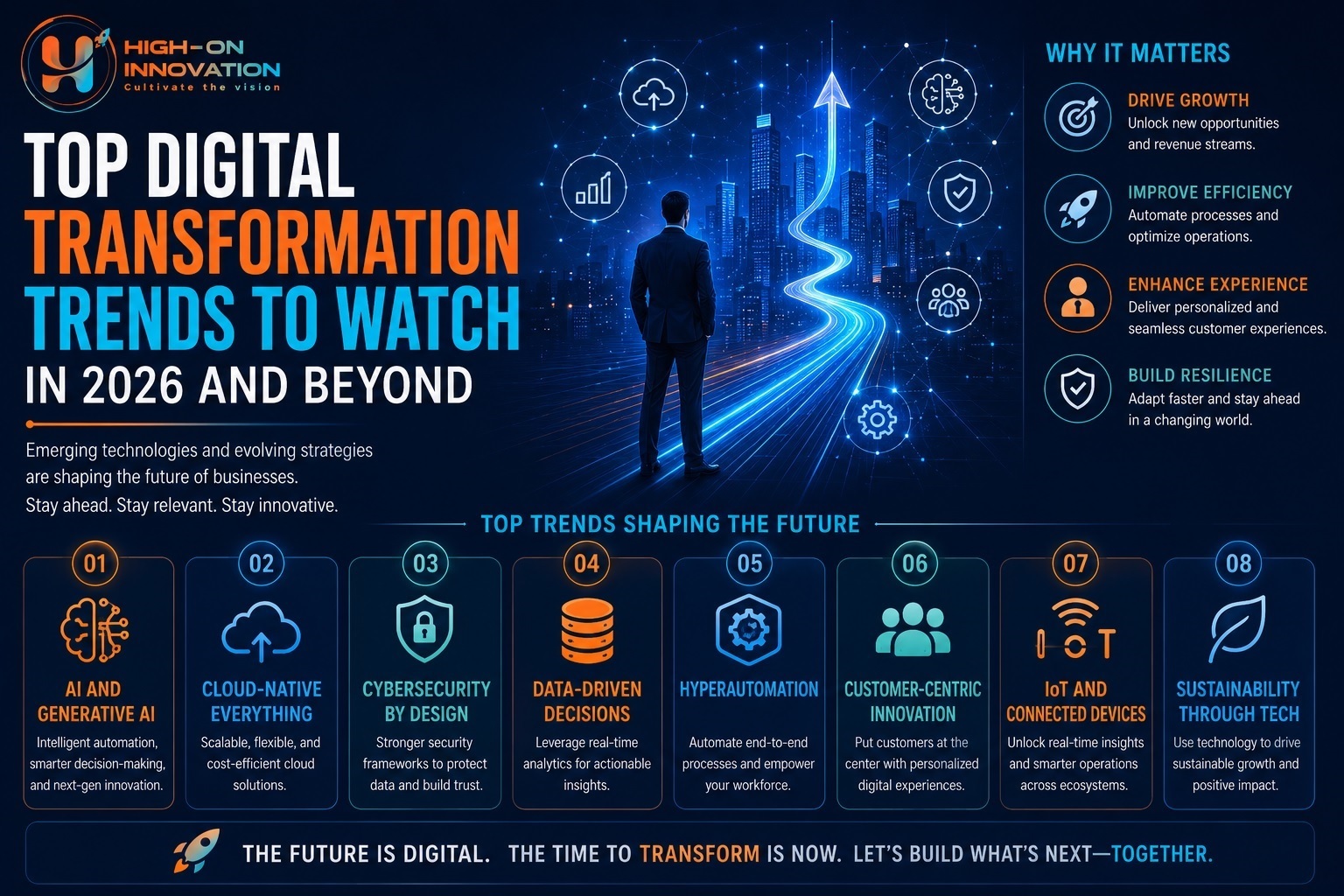
The digital world continues to evolve at an incredible pace, transforming how businesses communicate, operate, and build lasting relationships with their audiences. As technology advances, organizations are increasingly focused on delivering seamless, personalized, and secure online experiences. Whether exploring emerging digital platforms such as luxury12 or developing their own innovative solutions, companies recognize that user engagement is now one of the most valuable assets in today’s competitive marketplace.
The Digital Revolution Continues
Over the past decade, digital innovation has reshaped industries across the globe. Businesses that once relied solely on traditional methods now embrace cloud computing, artificial intelligence, big data analytics, automation, and mobile technologies to improve efficiency and customer satisfaction.
Innovation is no longer limited to large corporations. Small businesses, startups, educational institutions, and nonprofit organizations all leverage digital technologies to streamline operations and connect with broader audiences. The democratization of technology has made advanced tools more accessible than ever before.
As digital ecosystems continue expanding, organizations must remain adaptable. Those willing to embrace technological change often gain significant competitive advantages through improved productivity, better customer experiences, and stronger brand recognition.
Understanding User Engagement
User engagement refers to the interaction between users and digital platforms. It extends beyond simple website visits or application downloads. Meaningful engagement involves active participation, trust, satisfaction, and long-term loyalty.
Today’s users expect digital experiences that are:
-
Fast
-
Secure
-
Personalized
-
Easy to navigate
-
Mobile-friendly
-
Consistent across devices
Meeting these expectations requires continuous improvement and a deep understanding of user behavior.
Artificial Intelligence is Changing Everything
Artificial Intelligence (AI) has become one of the biggest drivers of digital innovation. Modern AI systems can analyze enormous datasets, recognize patterns, automate repetitive tasks, and provide valuable insights that support better decision-making.
Businesses now use AI for numerous purposes, including:
-
Customer support chatbots
-
Product recommendations
-
Fraud detection
-
Marketing automation
-
Predictive analytics
-
Content personalization
AI enables organizations to respond more quickly to customer needs while improving operational efficiency.
Personalization Creates Better Experiences
Consumers increasingly expect personalized experiences whenever they interact with digital platforms.
Personalization includes:
-
Customized product recommendations
-
Personalized emails
-
Tailored content
-
Individual user dashboards
-
Location-based services
-
Relevant search results
When users receive information that matches their interests, they are more likely to remain engaged and return in the future.
Data analytics plays an important role in understanding user preferences and delivering these customized experiences responsibly.
Mobile-First Design
Smartphones have become the primary gateway to the internet for millions of people worldwide.
A successful digital platform must perform exceptionally well on mobile devices by offering:
-
Responsive layouts
-
Fast loading times
-
Simple navigation
-
Touch-friendly interfaces
-
Optimized images
-
Accessible content
Mobile-first development ensures users enjoy a consistent experience regardless of screen size.
The Importance of User Experience (UX)
Excellent user experience remains one of the strongest competitive advantages in the digital economy.
Good UX focuses on:
-
Simplicity
-
Accessibility
-
Readability
-
Fast performance
-
Clear navigation
-
Efficient task completion
When users encounter frustration, they often leave a platform within seconds. Well-designed experiences encourage longer sessions, higher engagement, and improved satisfaction.
Cybersecurity Builds Trust
Digital innovation cannot succeed without security.
As organizations collect more information, protecting user data becomes increasingly important.
Strong cybersecurity practices include:
-
Encryption
-
Multi-factor authentication
-
Secure payment processing
-
Regular software updates
-
Data backup systems
-
Security monitoring
Building trust through robust security measures encourages users to interact with confidence.
Cloud Computing Enables Growth
Cloud technology has transformed the way organizations store data and deliver digital services.
Benefits of cloud computing include:
-
Scalability
-
Cost efficiency
-
Remote collaboration
-
Automatic updates
-
Reliable backups
-
High availability
Businesses can quickly expand operations without investing heavily in physical infrastructure.
Cloud platforms also improve collaboration by allowing employees to work securely from virtually anywhere.
Big Data Supports Smarter Decisions
Every digital interaction generates valuable information.
Organizations analyze data to understand:
-
Customer preferences
-
Purchasing behavior
-
Website performance
-
Marketing effectiveness
-
Product demand
-
Service quality
These insights allow businesses to make informed decisions while continuously improving customer experiences.
Responsible data collection and transparent privacy practices remain essential for maintaining user trust.
Social Media and Community Engagement
Digital engagement extends beyond websites and mobile applications.
Social media platforms provide opportunities to:
-
Share valuable content
-
Build communities
-
Answer customer questions
-
Collect feedback
-
Promote products
-
Strengthen brand awareness
Active communication encourages stronger relationships and increases long-term customer loyalty.
Accessibility Matters
Inclusive digital design benefits everyone.
Accessible websites consider users with different abilities by providing:
-
Screen reader compatibility
-
Keyboard navigation
-
Alternative image descriptions
-
High color contrast
-
Clear typography
-
Captions for multimedia
Accessibility improves usability while expanding audience reach.
Emerging Technologies
Several technologies are expected to shape the next generation of digital innovation.
These include:
Virtual Reality (VR)
VR creates immersive environments for education, entertainment, training, and virtual collaboration.
Augmented Reality (AR)
AR overlays digital information onto the physical world, improving shopping, navigation, and learning experiences.
Internet of Things (IoT)
Connected devices collect and exchange information that supports automation, predictive maintenance, and smarter living environments.
Blockchain
Blockchain technology improves transparency, traceability, and security across various industries beyond cryptocurrency.
Building Long-Term User Relationships
User engagement is not achieved through a single interaction.
Organizations build lasting relationships by consistently providing:
-
High-quality content
-
Reliable services
-
Responsive support
-
Transparent communication
-
Continuous improvements
-
Respect for user privacy
Satisfied users often become loyal advocates who recommend products and services to others.
Preparing for the Future
Digital transformation will continue accelerating as technology evolves.
Organizations should focus on:
-
Continuous learning
-
Innovation
-
User-centered design
-
Ethical AI implementation
-
Strong cybersecurity
-
Sustainable digital growth
Remaining flexible allows businesses to adapt to changing customer expectations and emerging technologies.
Conclusion
The future of digital innovation and user engagement is shaped by continuous technological advancement, thoughtful design, and a commitment to delivering meaningful experiences. Artificial intelligence, cloud computing, personalization, cybersecurity, and emerging technologies are transforming how organizations interact with users across every industry. Businesses that prioritize innovation while maintaining trust, accessibility, and user satisfaction will be better positioned for long-term success in an increasingly connected digital world.