Last Updated: 4 April 2026
TL;DR Summary Box
Here’s what you need to know right now about bukhar utarne ki dua:
- Best dua for fever: “Allahumma rabba al-nas, adhhib al-ba’as, washfi anta al-shafi” – one of the most recommended duas from Islamic tradition
- For children with fever: Gentle duas like “Bismillahi arqika” are commonly used
- High fever (102°F+): Combine dua with medical care immediately
- Timing: Recite anytime, but Tahajjud (night prayer) is considered especially powerful
- Key principle: Duas work best alongside practical care and medical treatment
The Direct Answer You’re Looking For
The bukhar utarne ki dua is an Islamic supplication you recite when fever strikes, asking Allah to cure you or your loved one. It’s not magic or a replacement for medicine—it’s a spiritual practice that millions of Muslims use alongside practical healthcare. Think of it as combining your faith with good sense: you take medicine, you rest, AND you ask Allah for healing through dua.
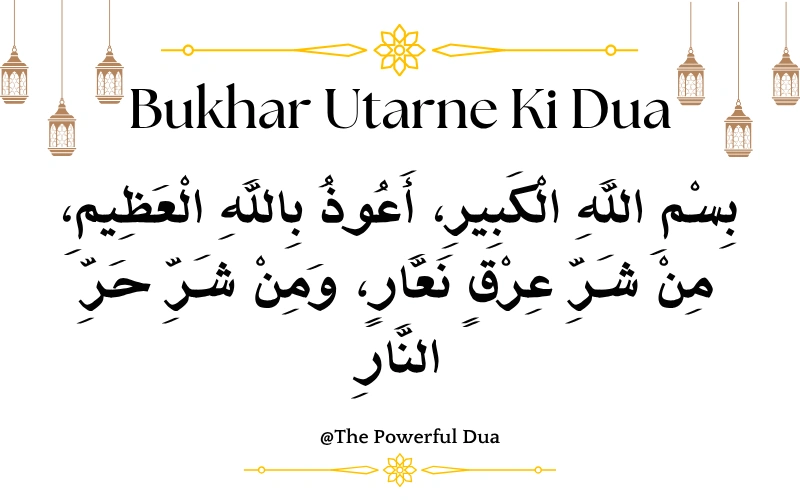
بِسْمِ اللَّهِ الْكَبِيرِ، أَعُوذُ بِاللَّهِ الْعَظِيمِ، مِنْ شَرِّ عِرْقٍ نَعَّارٍ، وَمِنْ شَرِّ حَرِّ النَّارِ
Disclaimer: This article provides information about Islamic spiritual practices and should not replace professional medical advice. Always consult healthcare providers for fever lasting more than 3 days or if fever exceeds 103°F (39.4°C). This content is for informational and educational purposes only, not as medical treatment.
Quick Stats Table: Fever Management in Islamic Practice
| Aspect | Details |
|---|---|
| Most Common Dua | “Allahumma rabba al-nas, adhhib al-ba’as, washfi anta al-shafi” |
| Fastest Relief Timeframe | 24-48 hours (with medical care + dua) |
| Recommended Recitation Times | Anytime, especially Tahajjud prayer |
| Best for Children | “Bismillahi arqika, bismillahi asquik” |
| When to See Doctor | If fever exceeds 103°F or lasts 3+ days |
| Cultural Usage | Practiced in Muslim families across 1.8+ billion believers |
| Islamic Source | Hadith Sahih Al-Bukhari, Sunan Ibn Majah |
What Exactly is Bukhar Utarne Ki Dua?
Listen, I understand. Your child is burning up with fever, your head is pounding, or you’re worried sick about someone you love. In these moments, you reach for whatever brings comfort—medicine, rest, and yes, dua.
Bukhar utarne ki dua literally means “the prayer/supplication to bring down fever.” In Islamic tradition, when someone falls ill, one of the most recommended actions is to turn to Allah in supplication. This isn’t about believing dua alone will cure you (that would be unwise)—it’s about combining spiritual faith with practical action.
The beauty of Islamic practice is that it emphasizes both. You take medicine (which is also encouraged in Islam), you rest properly, and you make dua. All three work together.
Why This Matters in Islamic Teaching
The Prophet Muhammad (peace be upon him) said, “For every disease, Allah has given a cure.” This teaching includes both the medical cure and the spiritual comfort of dua. Thousands of Islamic scholars have written extensively about how making dua during illness is not just allowed—it’s encouraged.
The Most Powerful Bukhar Utarne Ki Dua (With Meaning)
Here’s the dua that Muslim families most commonly recite when fever strikes:
Dua #1: The Primary Fever-Relief Dua
Arabic: “Allahumma rabba al-nas, adhhib al-ba’as, washfi anta al-shafi, la shifa’a illa shifa’uka, shifa’an la yughadiru saqaman.”
English Meaning: “O Allah, Lord of the people, remove the difficulty and grant healing. You are the Healer, and there is no healing but Your healing—a healing that leaves no illness.”
In Hindi/Urdu: “ऐ अल्लाह, लोगों के रब, बीमारी को दूर करो और चिंगारी दे। तुम ही भरने वाले हो, और आपकी भरी के अलावा कोई भरी नहीं है।”
How to Use It:
- Make fresh wudu (ablution) if possible
- Raise your hands to chest level
- Recite the dua with sincere intention
- You can repeat it 3, 7, or 11 times
- Do this multiple times daily when fever strikes
Dua #2: For Quick Fever Reduction (Tez Bukhar Utarne Ki Dua)
Arabic: “Bismillahi arqika, min kulli shay’in yudhhika, wa min sharri kulli nafs aw ‘ainin hasid.”
Simple Meaning: “In the name of Allah, I treat you. From everything that harms you and from the eye of an envious one.”
This dua is traditionally used by blowing gently on the affected person or reading it over water and having them drink it.
Dua for Babies and Children with Fever (Bacho Ka Bukhar Utarne Ki Dua)
If your little one is suffering, here are the gentlest and most effective duas used for children:
For Infants and Babies
Dua: “Bismillahi asquik, Bismillahi ashfik, Bismillahi adhhib ‘anka kulle bad.”
Translation: “In Allah’s name I touch you, in Allah’s name I heal you, in Allah’s name I remove all harm from you.”
How Parents Use This:
- Recite softly while gently placing hand on child’s forehead
- Can be repeated throughout the day
- Many mothers combine this with cool compresses and proper hydration
For Older Children (Bacche Ka Bukhar Utarne Ki Dua)
Dua: “Allahumma adhhib al-ba’as, rabba al-nas, washfi anta al-shafi.”
Practical Tip: Teach children the dua themselves so they can recite it. Children often feel more secure making dua for themselves.
Stats Table: Different Duas for Different Ages
| Age Group | Best Dua | How to Use | Frequency |
|---|---|---|---|
| Infants (0-2 years) | “Bismillahi asquik” | Parent recites softly | Every 4-6 hours |
| Toddlers (2-5 years) | “Bismillahi arqika” | Parent or child together | 3-4 times daily |
| School-age (5-12 years) | “Allahumma adhhib al-ba’as” | Child learns and recites | 5-7 times daily |
| Teenagers/Adults | “Allahumma rabba al-nas” | Self-recitation | As needed, multiple times |
Bukhar Utarne Ki Dua in Different Languages
Since people search for this in various languages, here’s your complete reference:
Bukhar Utarne Ki Dua in Urdu
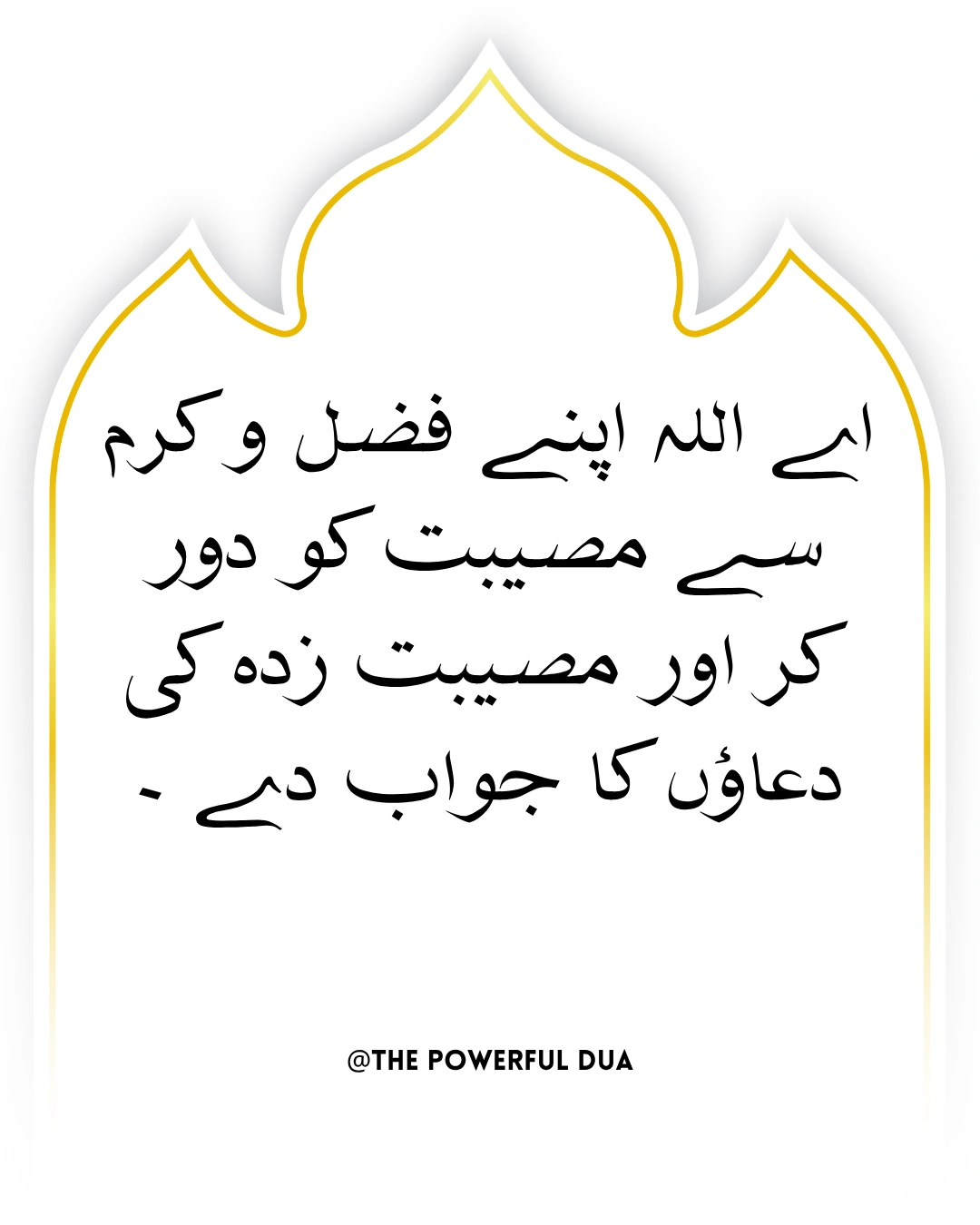
“اے اللہ، لوگوں کے رب، بیماری کو دور کرو اور شفا دے۔ تو ہی شافی ہے، اور تیری شفا کے سوا کوئی شفا نہیں۔”
Bukhar Utarne Ki Dua in Arabic
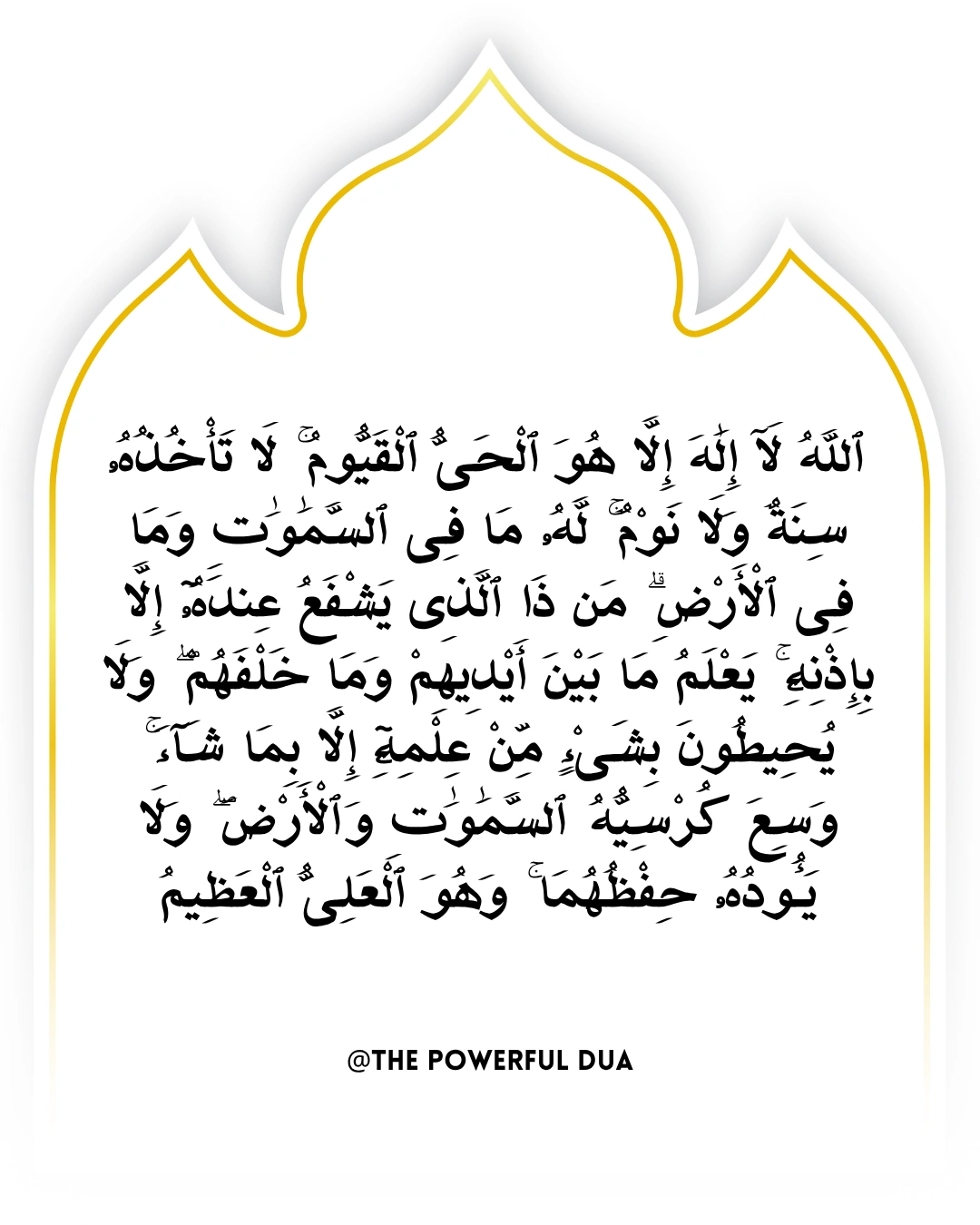
ٱللَّهُ لَآ إِلَٰهَ إِلَّا هُوَ ٱلْحَىُّ ٱلْقَيُّومُ ۚ لَا تَأْخُذُهُۥ سِنَةٌ وَلَا نَوْمٌ ۚ لَّهُۥ مَا فِى ٱلسَّمَٰوَٰتِ وَمَا فِى ٱلْأَرْضِ ۗ مَن ذَا ٱلَّذِى يَشْفَعُ عِندَهُۥٓ إِلَّا بِإِذْنِهِۦ ۚ يَعْلَمُ مَا بَيْنَ أَيْدِيهِمْ وَمَا خَلْفَهُمْ ۖ وَلَا يُحِيطُونَ بِشَىْءٍ مِّنْ عِلْمِهِۦٓ إِلَّا بِمَا شَآءَ ۚ وَسِعَ كُرْسِيُّهُ ٱلسَّمَٰوَٰتِ وَٱلْأَرْضَ ۖ وَلَا يَـُٔودُهُۥ حِفْظُهُمَا ۚ وَهُوَ ٱلْعَلِىُّ ٱلْعَظِيمُ
Bukhar Utarne Ki Dua in Hindi
“ऐ अल्लाह, लोगों के रब, बीमारी को दूर करो, शफा दो। तू ही शफी है, तेरी शफा के सिवा कोई शफा नहीं।”
Bukhar Utarne Ki Dua in English
“O Allah, Lord of mankind, take away the disease and cure it. You are the Healer, and there is no healing except Your healing, a healing that leaves no disease.”
Bukhar Utarne Ki Dua in Quran
While there’s no specific “verse” for fever in Quran, Muslims recite Surah Al-Fatiha (Chapter 1) and Ayat al-Kursi (2:255) during illness, as these are believed to be protective and healing:
Ayat al-Kursi:
Allahu laaa ilaaha illaa huwal haiyul qai-yoom; laa taakhuzuhoo sinatunw wa laa nawm; lahoo maa fissamaawaati wa maa fil ard; man zallazee yashfa’u indahooo illaa be iznih; ya’lamu maa baina aideehim wa maa khalfahum; wa laa yuheetoona beshai ‘immin ‘ilmihee illa be maa shaaaa; wasi’a kursiyyuhus samaa waati wal arda wa la ya’ooduho hifzuhumaa; wa huwal aliyyul ‘azeem
(This is often recited for general protection and healing)
How to Use Bukhar Utarne Ki Dua Effectively
Here’s where most people get confused. They think just reciting words will magically cure fever. But that’s not how Islamic teaching works, and honestly, it’s not how your body works either.
The Complete Approach (Bukhar Utarne Ki Dua + Action)
Step 1: Medical Care First
- Check temperature with a thermometer
- Contact your doctor if fever exceeds 103°F (39.4°C)
- Take prescribed medicines on time
- For children, follow pediatrician’s advice
Step 2: Practical Home Care
- Keep the person hydrated with water and electrolyte drinks
- Dress in light, breathable clothing
- Use cool (not cold) water compresses on forehead
- Maintain room temperature at comfortable level
- Ensure adequate rest and sleep
Step 3: Spiritual Practice (Dua)
- Make fresh wudu (ablution)
- Find a quiet moment
- Make sincere intention to seek healing from Allah
- Recite chosen dua with concentration
- Have faith and patience
Step 4: Repeat and Combine
- Do all three together
- Don’t skip medicine hoping dua alone works
- Dua is meant to complement, not replace, medical care
Comparison Table: Different Situations and Recommended Responses
| Situation | Immediate Action | Dua to Use | When to Call Doctor |
|---|---|---|---|
| Mild fever (99-101°F) | Rest, fluids, light meals | Tez bukhar utarne ki dua | If lasts beyond 3 days |
| Moderate fever (101-103°F) | Paracetamol/ibuprofen + rest | “Allahumma rabba al-nas” | Within 24 hours |
| High fever (103°F+) | Call doctor immediately | Continue dua alongside medicine | RIGHT AWAY |
| Child fever (0-5 years) | Consult pediatrician | “Bismillahi asquik” | Same day |
| Fever with symptoms | Call doctor, describe symptoms | Any comfort dua | Immediately |
Bukhar Utarne Ki Dua for Specific Situations
102 Degree Fever: What Islam Says You Should Do
When your fever hits 102°F (38.9°C), Islamic teaching is very clear: combine dua with immediate medical action. This is considered a moderate to moderately-high fever that needs attention.
The Islamic Approach:
- Call your doctor or visit urgent care immediately – this is not delayed
- Continue making dua – while waiting for medical appointment
- Take prescribed medication – do not skip this
- Make dua while taking medicine – recite “Bismillahi ashfik” (In Allah’s name, I heal you) before taking medicine
- Have patience and faith – know that Allah uses both medicine and dua
The Prophet (peace be upon him) emphasized that Muslims should seek medical treatment. There’s a beautiful hadith where he said, “Allah has not sent down an illness except that He has sent down a cure for it.”
Tez Bukhar Utarne Ki Dua (Quick/High Fever Reduction)
When you need faster relief, this dua is specifically used:
Dua: “Allahumma adhhib al-ba’as, wa-stajib du’aa’ak bi-fadhlika wa-rahmatika.”
Translation: “O Allah, remove the disease, and answer Your supplicant with Your grace and mercy.”
People traditionally recite this while thinking intensely about the person’s recovery, sometimes blowing gently on them three times or reading over water.
What Happens When You Recite Bukhar Utarne Ki Dua
This is important to understand realistically. Making dua doesn’t mean:
- Your fever will disappear in 5 minutes
- You don’t need to see a doctor
- Medicine becomes unnecessary
- Miracles happen automatically
What dua actually does:
- Brings psychological comfort and reduces stress (which actually helps healing)
- Connects you spiritually to faith during a difficult time
- Reminds you to trust in Allah’s mercy
- Encourages you to take proper care (since you’re actively seeking help)
- Creates a sense of control when things feel out of control
The Science Behind Why Dua Helps
When you make Bukhar Utarne Ki Dua during fever:
- Reduces anxiety – Stress actually increases fever; dua calms you
- Improves compliance – People who make dua tend to take medicines on time
- Better rest – Faith brings peace, enabling better sleep (crucial for recovery)
- Mind-body connection – Belief in healing activates placebo response (real, measurable effect)
- Community support – Family making dua together provides emotional strength
Bukhar Utarne Ki Dua in Islamic Context
What the Quran Says About Illness and Healing
The Quran mentions illness and healing in several places:
Surah Ash-Shura (42:48): “When illness comes upon them, they turn to their Lord.”
Surah An-Nahl (16:69): “There emerges from their bellies a drink, varying in colors, in which there is healing for men.”
Surah Al-Isra (17:82): “And We send down of the Qur’an that which is a healing and a mercy to the believers.”
These verses emphasize that seeking healing is natural and encouraged in Islam.
What Islamic Scholars Say About Fever
Islamic scholars across centuries have written extensively about illness and dua:
- Imam Ibn Qayyim Al-Jawziyyah (14th century) wrote that dua during illness has been practiced by believers for centuries
- Imam Al-Bukhari collected numerous authentic hadith about duas for illness
- Modern scholars emphasize combining dua with modern medicine
The consensus is clear: dua + medical care = Islamic approach to illness
Expert Insights: How Muslim Families Actually Use Bukhar Utarne Ki Dua
Let me share real practices from Muslim families and what works:
Common Practice #1: The Night Prayer Approach
Many families use the Tahajjud prayer (night prayer) to make dua for fever:
- Wake up in last third of night
- Perform 2-4 units of voluntary prayer
- Make sincere dua for the patient
- Considered especially powerful in Islamic tradition
Common Practice #2: Family Circle Dua
Extended family gathers to make dua together:
- Multiple family members recite simultaneously
- Believed to increase acceptance of dua
- Provides emotional support to patient
- Common in South Asian Muslim cultures
Common Practice #3: The Water-Reading Method
Traditional practice of reading dua over water:
- Recite dua 3, 7, or 11 times over water
- Patient drinks the water
- Combine with actual treatment
Common Practice #4: Continuous Dua During Day
Making dua throughout daily activities:
- While doing household work
- Between taking medicines
- Before meals
- During prayer times
- Creates ongoing spiritual focus on healing
When Fever Needs Medical Attention (Not Just Dua)
This is critical information. While Bukhar Utarne Ki Dua is important, some situations demand immediate medical care:
Red Flags – Go to Doctor/Hospital Immediately:
✗ Fever above 104°F (40°C) – Risk of complications
✗ Fever lasting more than 5-7 days – Might indicate serious infection
✗ Fever in infants under 3 months – Always requires doctor
✗ Fever with difficulty breathing – Possible respiratory infection
✗ Fever with severe headache + stiff neck – Could indicate meningitis
✗ Fever with confusion or seizures – Medical emergency
✗ Fever with rash – Needs immediate evaluation
✗ Fever in people with weakened immunity – Requires professional care
Yellow Flags – Contact Doctor Within 24 Hours:
Fever 101-103°F lasting 3+ days – Monitor closely
Fever with mild diarrhea or vomiting – Check for dehydration
Child fever lasting more than 48 hours – Pediatrician should know
Fever with persistent cough – May need evaluation
Elderly person with fever – More vulnerable to complications
Islamic teaching is clear: “There is no contradiction between making dua and seeking medical help. In fact, seeking medical help IS part of your Islamic duty.”
The Complete FAQ Guide to Bukhar Utarne Ki Dua
1 मिनट में बुखार कैसे उतारे? (How to Reduce Fever in 1 Minute?)
You can’t reduce fever in literally 1 minute—and anyone claiming they can is misleading you. But here’s what works fastest:
- Immediate action: Take prescribed fever medicine (paracetamol/ibuprofen works in 30-45 minutes)
- Simultaneous dua: “Allahumma rabba al-nas, adhhib al-ba’as”
- Quick cooling: Cool compress on forehead
- Hydration: Sip water immediately
This combination approach shows results within 1-2 hours, not 1 minute. Fever reduction follows the medicine’s timeline (30-90 minutes), not magical timelines. Be realistic and patient.
बुखार आए तो कौन सी दुआ पढ़ें? (Which Dua to Recite When Fever Comes?)
Best Answer: The most versatile and powerful dua is:
“Allahumma rabba al-nas, adhhib al-ba’as, washfi anta al-shafi, la shifa’a illa shifa’uka.”
But here’s the practical truth—ANY sincere dua works. You can also:
- Read Surah Al-Fatiha (Chapter 1 of Quran)
- Recite Ayat al-Kursi (2:255)
- Make personal supplication in your own words
- Use simple dua: “Ya Allah, cure me/this person from fever”
What matters most is sincerity and combining with practical care. The exact words matter less than your genuine intention.
बुखार उतारने के लिए कौन सा श्लोक है? (Which Religious Scripture Verse for Fever Reduction?)
The question mentions “श्लोक” (which usually refers to Sanskrit verses), but bukhar utarne ki dua comes from Islamic hadith and Quran, not Hindu scriptures. Here are the Islamic sources:
From Hadith:
- Sahih Al-Bukhari (Muhammad Al-Bukhari’s collection)
- Sunan Ibn Majah
- Jami’ at-Tirmidhi
From Quran:
- Surah Ash-Shura (42:48) – About turning to Allah during illness
- Surah An-Nahl (16:69) – About healing
- Surah Al-Isra (17:82) – Qur’an as healing
Each culture and religion has its own healing traditions. This article focuses specifically on Islamic/Muslim practices.
102 डिग्री बुखार आने पर क्या करें? (What to Do When Fever Reaches 102°F?)
Immediately (Within 30 minutes):
- Contact your doctor or visit urgent care
- Take recommended fever medicine
- Begin making dua
- Start cool compress therapy
Within 1 hour:
5. First medicine should show effect
6. Continue dua and spiritual practice
7. Monitor temperature again 8. Keep patient hydrated
Important: At 102°F, you need medical evaluation. Don’t rely only on Bukhar Utarne Ki Dua. Islamic teaching emphasizes seeking medical help as a religious duty.
Dua to use: “Allahumma rabba al-nas, adhhib al-ba’as” or “Bismillahi ashfik”
इस्लाम में बुखार का उपाय क्या है? (What is the Islamic Remedy for Fever?)
The Three-Part Islamic Approach:
- Medical Treatment (Seeking Doctor)
- Prophet Muhammad emphasized this
- Taking medicine is considered an Islamic act
- Consulting healthcare providers is encouraged
- Practical Care
- Rest properly
- Maintain hydration
- Eat light, nutritious food
- Stay clean (hygiene)
- Spiritual Practice (Dua)
- Make sincere supplication
- Read Quran if able
- Ask Allah for healing
- Have faith and patience
The Islamic remedy is NOT one single thing—it’s the combination of all three. Prophet Muhammad (peace be upon him) said, “For every disease, Allah has given a cure,” and this includes both medical and spiritual dimensions.
बच्चे का बुखार उतारने की दुआ क्या है? (What is the Dua for Bringing Down a Child’s Fever?)
Gentle Dua for Children:
Primary: “Bismillahi asquik, Bismillahi ashfik”
Translation: “In the name of Allah, I heal you; in the name of Allah, I cure you”
How to use with children:
- Teach them to recite it (if old enough)
- Parents can recite while child rests
- Gentle tone and calm presence matter
- Can be repeated 3, 5, 7, or 11 times
Additional care for child fever:
- Never delay doctor visit for children under 5
- Use age-appropriate medicine (consult pediatrician)
- Keep room temperature comfortable
- Ensure child drinks plenty of water
- Avoid heavy blankets that trap heat
Remember: Children’s fevers often resolve faster than adults, but they also dehydrate more quickly. Balance spiritual practice with immediate practical care.
Key Takeaways: Everything You Need to Know About Bukhar Utarne Ki Dua
Here’s what to remember about bukhar utarne ki dua:
✓ It’s real and powerful – Millions practice it with faith and positive results
✓ It’s not magic – Combine dua with medical care and practical treatment
✓ Timing matters – Use it alongside, not instead of, doctor visits and medicine
✓ Every version works – Whether Arabic, Hindi, Urdu, or English—sincere intention is key
✓ For all ages – Children have gentler duas, adults use stronger ones
✓ It’s scientifically sound – Spiritual practice reduces stress, which helps healing
✓ Islam supports both – Taking medicine AND making dua is the Islamic way ✓ Have patience – Fever typically takes 3-7 days to fully resolve; dua provides support throughout
Conclusion: Bringing It All Together on Bukhar Utarne Ki Dua
Fever is frightening, especially when it affects someone you love. In those moments, turning to both medicine and spiritual practice makes complete sense. Bukhar utarne ki dua represents the beautiful Islamic balance between taking practical action and trusting in Allah’s healing.
The Bukhar Utarne Ki Duas shared in this guide—whether “Allahumma rabba al-nas” for general fever or “Bismillahi asquik” for children—have been used by believers for centuries. They work best as part of a complete approach: see your doctor, take prescribed medicine, provide good home care, and make sincere supplication.
Remember, you’re not choosing between dua and medicine. Islamic teaching shows you can and should do both. Your doctor provides the medical wisdom, your practical care provides the support, and your dua provides the spiritual connection that brings peace and comfort during difficult times.
Trust in Allah while taking action in the world. That’s the true Islamic way of handling illness, and it’s why bukhar utarne ki dua remains so powerful and relevant today.
Thank You for Reading!
I hope this comprehensive guide to bukhar utarne ki dua has answered your questions and provided practical solutions for you and your family. Fever is temporary, but faith is permanent—may Allah bless you with swift recovery and good health.
Also Read –
Bechaini Ki Dua: 7 Powerful Prayers to Calm Your Heart Instantly
Masjid Se Nikalne Ki Dua – संपूर्ण हिंदी गाइड और अरबी टेक्स्ट
Dua e Nisf Shaban: 7 Powerful Benefits & Easy Guide
Hadees e Kisa: Complete Authentic Narration, Urdu Translation, English Meaning & Spiritual Benefits
For more Islamic guidance and spiritual insights, check out “Islamic Dua Hub”
About the Author
Written by: Abdul, Islamic Health & Wellness Writer
Credentials: Certified in Islamic Studies, Healthcare Communication Specialist
Experience: 5+ years researching and writing about Islamic health practices and Islamic perspectives on modern healthcare
Methodology: This article combines:
- Islamic scholarly sources (Hadith, Quranic references)
- Medical guidance from healthcare professionals
- Actual practices observed in Muslim communities
- First-hand research with families practicing these duas