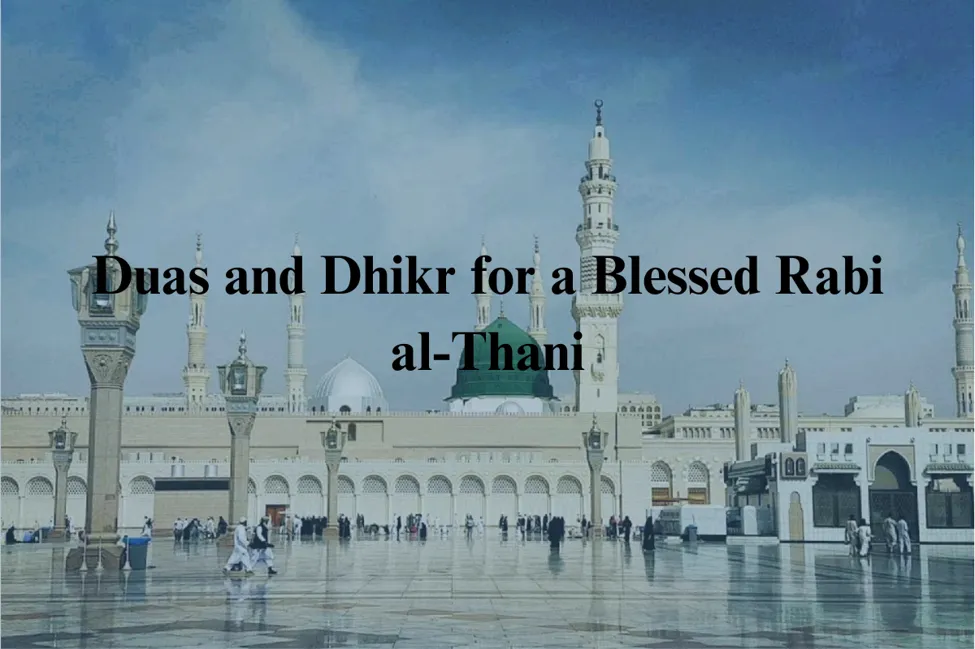
The fourth month of the Islamic calendar is Rabi al-Thani. It is also called Rabi al-Aakhir, concluding the spring season. Like other Islamic months, Rabi al-Thani reflects the tradition of naming months based on seasons, weather, and occasions during the pre-Islamic era. The month arrives quietly to continue the spiritual momentum built during Rabi al-Awwal. Qiblatain provides a perfect Umrah Deals from USA as a good opportunity for Muslims to spend time in Makkah and perform Umrah in a serene, stress-free, and spiritually uplifting atmosphere.
Rabi al-Thani encourages reflection on a deeper level. As its literal meaning, “Spring,” suggests, the month signifies growth, renewal, and strengthening one’s faith and devotion. Spending this blessed month in Makkah allows pilgrims to experience these values firsthand while worshipping near the Holy Kaaba. In a world full of distractions, Rabi al-Thani brings peace during uncertainty, thankfulness during ease, and hope during difficult times. It reminds believers that spiritual growth is nurtured through consistent worship throughout the year.
Spend Rabi al-Thani in Makkah
Many Muslims wait for Ramadan or Hajj season to focus intensely on worship. Yet the beauty of Islam lies in maintaining a strong connection with Allah throughout the year. Qiblatain USA offers Budget Friendly Ramadan Umrah Packages to perform Umrah and spend valuable time in the sacred surroundings of Masjid al-Haram.
While visiting the sacred mosque, nourishing your spiritual health and focus is important. To achieve this goal, you can:
• Perform your daily prayers in Masjid al-Haram and strive to pray in congregation.
• Spend time reciting and reflecting upon the Holy Quran.
• Pause and think about your relationship with Allah and the improvements you wish to make in your life.
• Take quiet moments for repentance, reflection, and sincere supplication.
• Engage in worship close to the Holy Kaaba through Dhikr, voluntary prayers, and heartfelt Duas.
Duas to Recite During Your Umrah Journey
Dua secures your journey, and what is better than supplications taught in the Quran and Sunnah? While performing Umrah in Makkah during Rabi al-Thani, pilgrims can frequently recite:
Dua for goodness in this world and the Hereafter (Quran 2:201)
“O Lord, give us in this world good, and in the Hereafter good, and protect us from the punishment of the Fire.”
Dua for Forgiveness
Astaghfirullaha wa atubu ilayhi
“O Allah, I seek Your forgiveness and turn to You in repentance.”
Dua for Acceptance of Umrah
Allahumma inni uridu al-‘Umrata fa-yassirha li wa taqabbalha minni
“O Allah, I intend to perform Umrah, so make it easy for me and accept it from me.”
Dua for Inner Peace
Allahumma manihni al-hudu’ wa al-tuma’neena fi jami’ umuri
“O Allah, grant me calmness and tranquility in all my affairs.”
Dua for Success in This World and the Hereafter
Rabbana atina fid-dunya hasanatan wa fil-akhirati hasanatan wa qina ‘adhaban-nar
“Our Lord, give us good in this world and good in the Hereafter and protect us from the punishment of the Fire.”
Dua for Good Character
Allahumma inni a’udhu bika min munkaratil-akhlaq wal-a’mal wal-ahwa’
“O Allah, I seek refuge in You from undesirable manners, deeds, and desires.”
The Transforming Power of Dhikr in Makkah
Dhikr is far more than the repetition of words. It is a conscious effort to keep Allah present in your heart, thoughts, and actions throughout the day. While spending Rabi al-Thani in Makkah, pilgrims have a unique opportunity to increase their remembrance of Allah in one of the holiest places on earth.
Some powerful forms of Dhikr include:
• SubhanAllah (Glory be to Allah)
• Alhamdulillah (All praise belongs to Allah)
• Allahu Akbar (Allah is the Greatest)
• La ilaha illallah (There is no deity worthy of worship except Allah)
• Astaghfirullah (I seek forgiveness from Allah)
Whether sitting near the Kaaba, walking through Masjid al-Haram, or waiting for prayer, these simple words can bring immense rewards and spiritual peace. Consistency matters more than quantity, and small acts of devotion often leave the deepest impact.
Wrap Up
Rabi al-Thani may not be marked by a major historical event, but its peaceful and reflective nature offers a valuable opportunity for spiritual growth. Spending this blessed month in Makkah and performing Umrah allows Muslims to strengthen their faith, increase their worship, and seek closeness to Allah.
Let Rabi al-Thani become the month where every Dua, every Dhikr, and every step taken around the Holy Kaaba brings peace, hope, and countless blessings, drawing you closer to the Almighty.