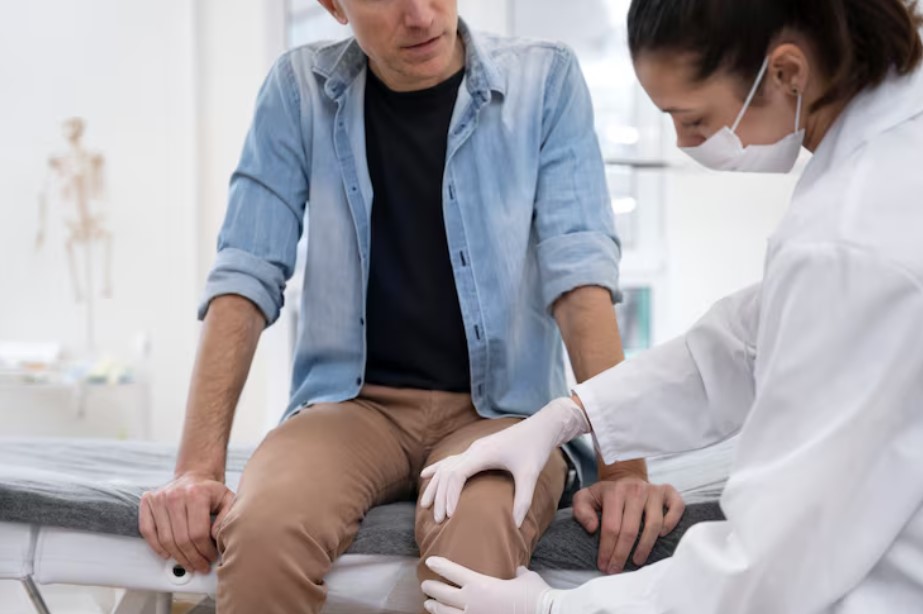
Knee pain can gradually change the way a person moves, exercises, works, and handles everyday activities. When joint damage becomes significant, simple actions such as walking, climbing stairs, standing for extended periods, or getting up from a chair may become uncomfortable. While many people associate severe knee problems with complete joint replacement, not every patient has damage throughout the entire knee. In certain situations, partial knee replacement may offer a more focused surgical approach.
Partial knee replacement is designed to restore a compromised portion of the knee while preserving surrounding healthy structures whenever possible. Understanding how this procedure differs from more extensive knee surgery can help patients have better informed conversations with their orthopedic specialists.
Understanding Knee Joint Damage
A complex joint composed of bones, cartilage, ligaments, muscles, and other supporting tissues is the knee. Healthy cartilage creates a smooth surface that allows the bones to move with minimal friction. Over time, arthritis, previous injuries, and natural wear can damage this protective cartilage.
Importantly, joint deterioration does not always affect the entire knee equally. Some people experience significant damage within one compartment while other areas remain relatively healthy. This localized pattern is one reason an orthopedic surgeon may consider a more targeted treatment rather than replacing the entire joint.
Symptoms can include persistent pain, stiffness, swelling, reduced flexibility, and difficulty completing normal activities. However, the severity and location of these symptoms can differ significantly among individuals.
What Is Partial Knee Replacement?
Surgical procedures that replace only the damaged compartment of the knee are known as partial knee replacements. Instead of removing and resurfacing all major areas of the joint, the surgeon focuses treatment on the portion affected by arthritis or deterioration.
Damaged bone and cartilage are meticulously excised from the afflicted region during the procedure. Specialized implant components are then positioned to create a smoother joint surface. Healthy bone, cartilage, and important supporting structures may remain intact.
Because the procedure concentrates on a specific part of the joint, it is sometimes described as a bone-preserving approach. However, whether it is appropriate depends heavily on the patient’s individual knee condition.
Who May Be Considered For The Procedure?
Patient selection is particularly important with partial knee replacement. It is generally considered when joint damage is concentrated within a limited area rather than spread extensively throughout the knee.
An orthopedic evaluation can determine the location and severity of the damage. This process may include a physical examination, discussion of symptoms, medical history, and diagnostic imaging.
Surgeons may also evaluate knee stability, alignment, ligament condition, range of motion, and overall health. These factors help determine whether preserving the unaffected portions of the knee is appropriate.
Not everyone experiencing knee pain will require surgery. Conservative treatments are commonly explored first depending on the underlying condition. These may involve activity modifications, physical therapy, medication, injections, or other approaches recommended by a healthcare professional.
Preserving Healthy Knee Structures
One of the defining characteristics of partial knee replacement is its focus on preserving healthy tissue. If substantial portions of the knee continue to function properly, removing them unnecessarily may not always be desirable.
Preserving natural structures can potentially help maintain more of the knee’s existing mechanics. Since the operation involves a smaller portion of the joint than total replacement, patients may also experience differences in postoperative rehabilitation and recovery.
However, a less extensive procedure does not mean that recovery requires little effort. Surgery still affects bone and surrounding tissues, and proper rehabilitation remains an important part of restoring movement and strength.
Recovery And Rehabilitation
Recovery after partial knee replacement varies from patient to patient. Factors such as general health, physical condition before surgery, age, surgical technique, and commitment to rehabilitation can influence progress.
Physical therapy typically plays an important role. Rehabilitation may concentrate on improving range of motion, strengthening the muscles supporting the knee, restoring balance, and gradually increasing everyday activity.
Patients should follow their surgical team’s instructions carefully rather than comparing their recovery with someone else’s experience. Trying to increase activity too quickly may interfere with healing, while avoiding movement beyond medical recommendations can also make it harder to regain function.
Partial Versus Total Knee Replacement
The main distinction between partial and total knee replacement is the amount of the joint being treated. Total knee replacement addresses broader joint damage, while partial replacement concentrates on a specific damaged compartment.
Neither procedure is automatically better. The appropriate option depends on the extent and pattern of arthritis, knee stability, symptoms, health considerations, and other clinical factors.
This distinction makes a comprehensive orthopedic assessment essential. A patient who appears suitable for partial replacement based on symptoms alone may have more extensive joint deterioration revealed through imaging or examination.
Making An Informed Treatment Decision
Persistent knee pain deserves careful evaluation, particularly when it begins interfering with mobility and quality of life. Surgery should be considered within the broader context of the patient’s condition, treatment history, expectations, and long-term goals.
Partial knee replacement provides a focused way of addressing certain forms of localized knee joint damage while preserving healthy areas of the joint. For appropriately selected patients, this targeted philosophy can be an important part of modern orthopedic care.
Ultimately, determining whether partial knee replacement is suitable requires an individualized assessment by a qualified orthopedic professional. Understanding the procedure, its purpose, recovery requirements, potential risks, and alternative treatment options allows patients to participate more confidently in decisions about their knee health.