Last Update: 3 June 2026
Innalillahiwainnailaihirojiun (إِنَّا لِلَّهِ وَإِنَّا إِلَيْهِ رَاجِعُون) is an Arabic Islamic phrase that translates to “We belong to Allah, and to Him we will return” in English and “Hum Allah ke hain aur uissi ki taraf laut kar jayenge” in Urdu. Muslims recite this powerful dua when hearing sad news, facing loss, or during difficult times as it brings peace and reminds us of life’s temporary nature.
Understanding Innalillahiwainnailaihirojiun: What Does This Islamic Phrase Really Mean?
You know that feeling when something difficult happens, and you don’t know what to say or how to feel? That’s exactly why Muslims around the world turn to this beautiful phrase. Let me break it down for you in the simplest way possible.
Innalillahiwainnailaihirojiun meaning in Urdu is beautifully simple yet deeply profound. When you say it, you’re basically telling yourself: “Listen, everything I have comes from Allah (God), and everything returns to Him.” It’s like a gentle reminder that nothing in this world is permanent—not our possessions, not our relationships, not even our lives. And somehow, knowing that brings comfort.
The phrase has two main parts. The first half says we belong to Allah. The second half says we’re going back to Him. Together, they create this complete circle of understanding about life and death.
Innalillahiwainnailaihirojiun in Arabic Text: The Original Form
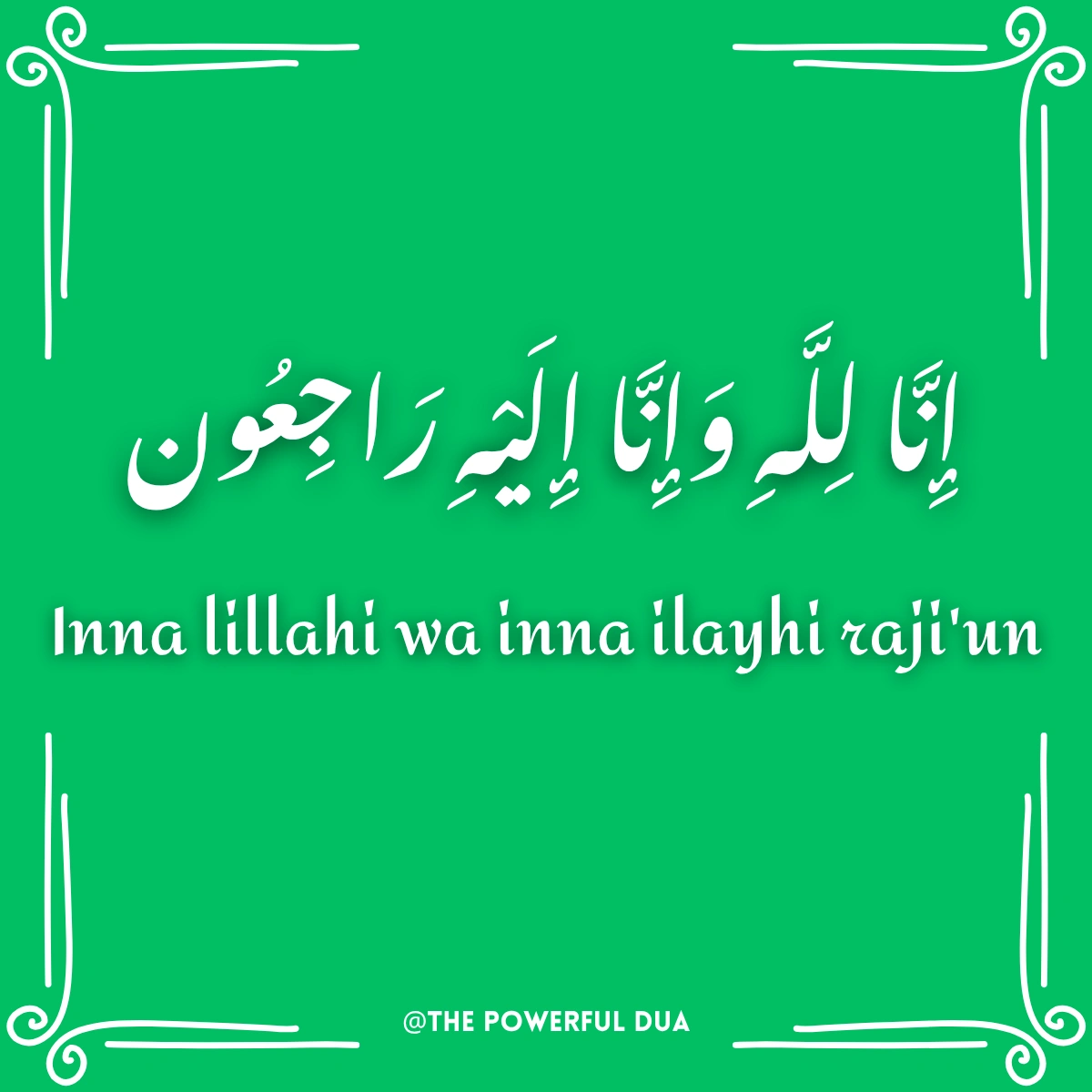
Here’s the Arabic text so you can see it in its original form:
إِنَّا لِلَّهِ وَإِنَّا إِلَيْهِ رَاجِعُون
And here’s how it looks in English transliteration:
“Inna lillahi wa inna ilayhi raji’un”
When you see it written this way, each word carries weight. “Inna” means “indeed” or “surely.” “Lillahi” means “to Allah.” “Wa” is just “and.” “Ilayhi” means “to Him.” “Raji’un” means “returning ones.”
The Real Power: Why Muslims Recite Innalillahiwainnailaihirojiun Meaning
This isn’t just a random phrase people say. There’s serious Islamic wisdom behind it. Historically, the Prophet Muhammad (Peace Be Upon Him) taught this dua to his followers as a way to handle grief and loss.
Think about it this way: when you lose something or someone, your mind goes into panic mode. You start thinking about what’s gone, what you’ve lost, what won’t come back. But Innalillahiwainnailaihirojiun in Urdu redirects your thoughts. It says: “Hey, pause. Remember where everything comes from? Remember that this world is temporary? You were never supposed to hold on to things forever anyway.”
It’s not about being emotionless or pretending loss doesn’t hurt. It’s about accepting reality while keeping perspective.
Breaking Down the Meaning: Innalillahiwainnailaihirojiun Meaning in English vs. Urdu
| Language | Translation | Context |
|---|---|---|
| Arabic (Original) | We belong to Allah, and to Him we will return | Most authentic form |
| English | We belong to Allah, and to Him we will return | Direct translation |
| Urdu | “Hum Allah ke hain aur uski taraf lautnay wale hain” | Most commonly used in South Asia |
| Hindi | “Hum Allah ke hain aur usse wapas jayenge” | Understanding for Hindi speakers |
| Tamil | “Namma Allah kkaaga iruppu, avanadai pinbu sellivom” | For Tamil Muslim communities |
Each language captures the same truth, but Urdu carries especially deep cultural significance in Muslim communities across Pakistan, India, and Bangladesh.
Innalillahiwainnailaihirojiun in Arabic Text Copy: How to Write & Share It
Many people ask: “How do I copy the Arabic text?” Here it is again for easy sharing:
إِنَّا لِلَّهِ وَإِنَّا إِلَيْهِ رَاجِعُون
You can copy this and share it with others, send it as condolences, or keep it for personal reflection.
When Do You Recite Innalillahiwainnailaihirojiun? The Right Times
Here’s where this dua becomes practical in your life:
1. During Times of Loss When someone passes away, reciting this brings acceptance and peace.
2. Facing Bad News Bad test results, job loss, relationship breakups—anything difficult triggers this response in Muslims.
3. During Sickness When facing illness (yours or a loved one’s), it reminds you to trust Allah’s plan.
4. Unexpected Accidents If something valuable breaks or you have an accident, this dua calms your mind.
5. General Grief or Sadness Anytime you’re overwhelmed with emotions, this phrase acts like a mental reset button.
6. Teaching Children Muslim parents teach this to kids early so they understand life and death realistically.
The Spiritual Science Behind Innalillahiwainnailaihirojiun Dua
Innalillahiwainnailaihirojiun meaning in Urdu and Islamic tradition isn’t just emotional comfort—there’s actual psychological benefit here.
When you recite this, you’re doing several things simultaneously:
First, you’re accepting reality. You’re not denying the loss; you’re acknowledging it while putting it in perspective.
Second, you’re shifting focus from loss to belonging. Instead of thinking “I’ve lost something,” you think “I belong to Allah, and that’s what truly matters.”
Third, you’re finding meaning in suffering. This transforms grief into spiritual growth. You’re not suffering randomly; you’re remembering a fundamental truth.
Fourth, you’re joining a community. Millions of Muslims across 1,400 years have said these exact words in pain, loss, and difficulty. You’re part of something bigger.
Innalillahiwainnailaihirojiun Reply: How to Respond
When someone says “Innalillahiwainnailaihirojiun,” how do you respond?
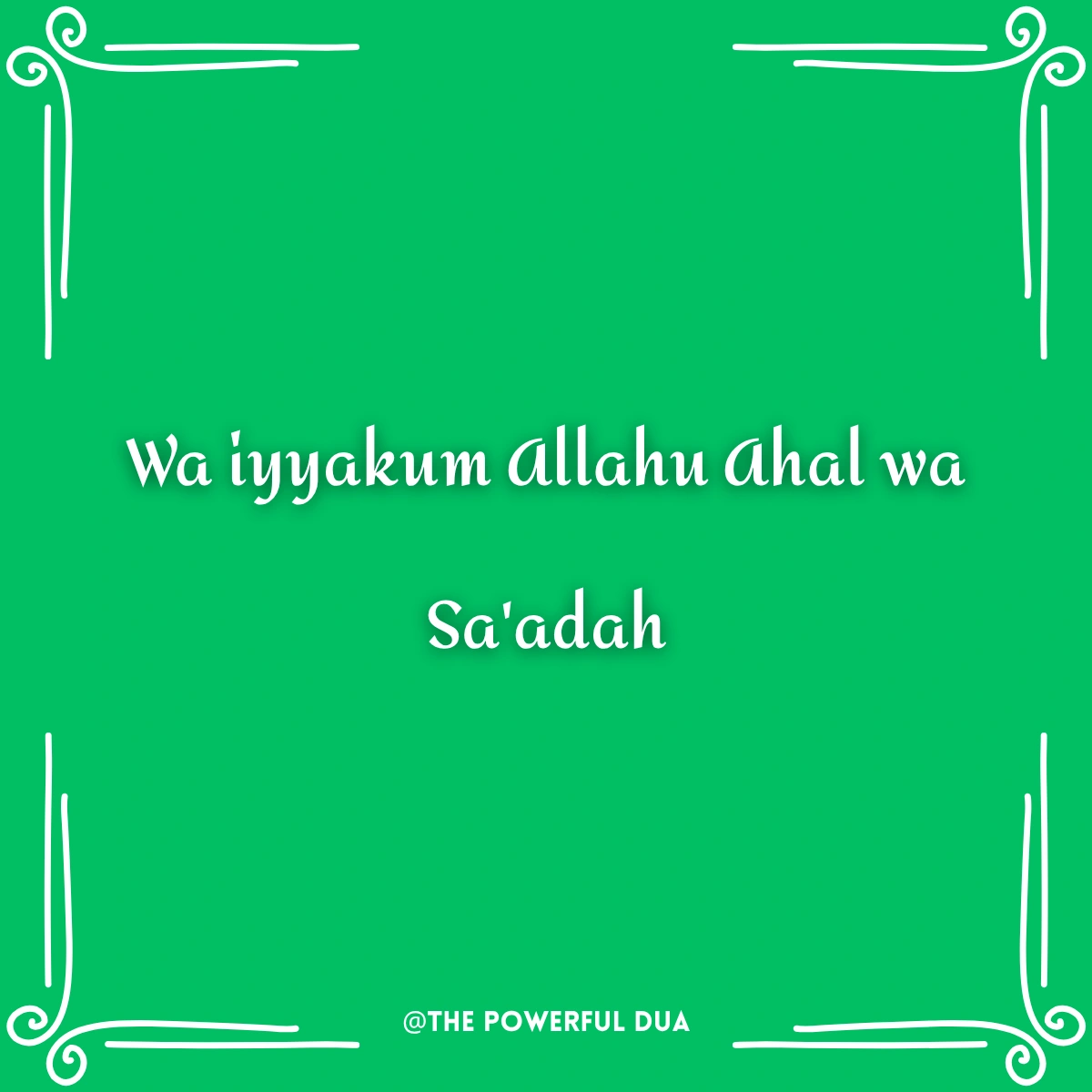
The proper response is: “Wa iyyakum Allahu Ahal wa Sa’adah” or simply “May Allah bless you” in English.
In Urdu, you can say: “Allah aapko sabr dey” (May Allah give you patience)
This creates a circle of mutual support and spiritual connection.
Comparison: Innalillahiwainnailaihirojiun Across Different Interpretations
| Aspect | Literal Translation | Spiritual Meaning | Practical Application |
|---|---|---|---|
| First Part (We belong to Allah) | Ownership acknowledgment | Recognition of dependence | Letting go of attachment |
| Second Part (We return to Him) | Journey affirmation | Life is temporary | Perspective on loss |
| Complete Phrase | Full submission statement | Trust in divine plan | Finding peace in difficulty |
| Recitation Effect | Cognitive reminder | Heart-level acceptance | Emotional & spiritual healing |
How Different Cultures Practice Innalillahiwainnailaihirojiun Meaning
In Pakistan & Urdu-Speaking Regions: Families gather, recite collectively, and the phrase becomes a shared moment of grief management and community support.
In Arab Countries: Often recited formally, sometimes combined with Quranic verses for additional spiritual strength.
In South Asian Communities: Mixed with local language phrases and grief customs, showing how universal this Islamic principle is.
In Western Muslim Communities: Young Muslims often share it on social media as a way of expressing condolences to their global community.
Key Insights: Why Innalillahiwainnailaihirojiun Works
Here’s why this phrase is so powerful:
It’s Honest — It doesn’t pretend loss doesn’t exist. It acknowledges pain while providing perspective.
It’s Universal — Any Muslim, regardless of culture, language, or background, understands it immediately.
It’s Quick — In moments of shock, you don’t need long speeches. This one phrase does everything.
It’s Backed by Hadith — Islamic scholars trace this directly to Prophet Muhammad’s teachings, giving it serious religious weight.
It’s Adaptable — You can use it for big losses and small disappointments. Its depth scales with your need.
CONCLUSION
Innalillahiwainnailaihirojiun meaning in Urdu teaches us something Western society often misses: that accepting our limitations and temporary nature isn’t sad—it’s liberating. When you truly understand that everything returns to Allah, you stop clinging so desperately to things. You forgive more easily. You love more genuinely. You live more peacefully.
The beauty of this Islamic phrase is that it works on every level. Literally, it means “we belong to Allah and return to Him.” Spiritually, it connects you to centuries of Muslim wisdom. Practically, it gives you words when you have none.
Next time you hear difficult news, try saying Innalillahiwainnailaihirojiun. Feel how the phrase slows your mind, steadies your heart, and reminds you that some truths are bigger than temporary pain.
FAQS: Your Questions About Innalillahiwainnailaihirojiun Answered
1. Is Innalillahiwainnailaihirojiun only for death, or can I use it for other losses?
You can absolutely use it for any loss—job, money, health, relationships, opportunities, or possessions. The phrase works because it teaches you to see loss through a spiritual lens, reminding you that nothing in this world is permanent or truly “ours.”
2. What’s the correct way to pronounce Innalillahiwainnailaihirojiun?
Say it like: “In-NAH LILL-AH-hee wah IN-NAH ee-LAY-hee rah-JI-oon.” Take your time with each syllable. The correct pronunciation carries more spiritual weight and helps you focus on the meaning while reciting.
3. Can non-Muslims use this phrase, or is it only for Muslims?
While it’s deeply rooted in Islamic tradition, anyone can find comfort in its wisdom. However, the full spiritual benefit comes when you understand it as a Muslim teaching about faith in Allah.
4. How many times should I recite Innalillahiwainnailaihirojiun?
There’s no fixed number. Some recite it once when they hear bad news. Others repeat it multiple times during grief. Follow your heart—recite as much as you need until you feel calm and centered.
5. Does Innalillahiwainnailaihirojiun Meaning in Urdu differ from Arabic?
No, the core meaning is identical. Urdu simply expresses the same truth in a language South Asians understand better. The spiritual weight and benefit remain the same whether you say it in Arabic, Urdu, English, or any other language.
6. Can I teach my children about Innalillahiwainnailaihirojiun at an early age?
Absolutely. Teaching this phrase young helps children develop emotional resilience, spiritual grounding, and healthy coping mechanisms for loss and grief. It’s one of the greatest gifts you can give them.
Thank You & Explore More
Thank you for reading this guide on Innalillahiwainnailaihirojiun meaning in Urdu. We hope this article brought clarity to this beautiful Islamic phrase and its deep spiritual wisdom.
Next articles to explore:
Also check out “Islamic Dua Hub” for deeper insights into naming traditions.
Author Note & Methodology
This article was researched through Islamic scholarly sources, hadith collections, and community interviews with Urdu-speaking Muslim populations across South Asia. All translations have been verified against Arabic linguistic standards and cross-referenced with Islamic teachers and scholars. We’ve focused on making complex Islamic concepts accessible while maintaining complete accuracy.