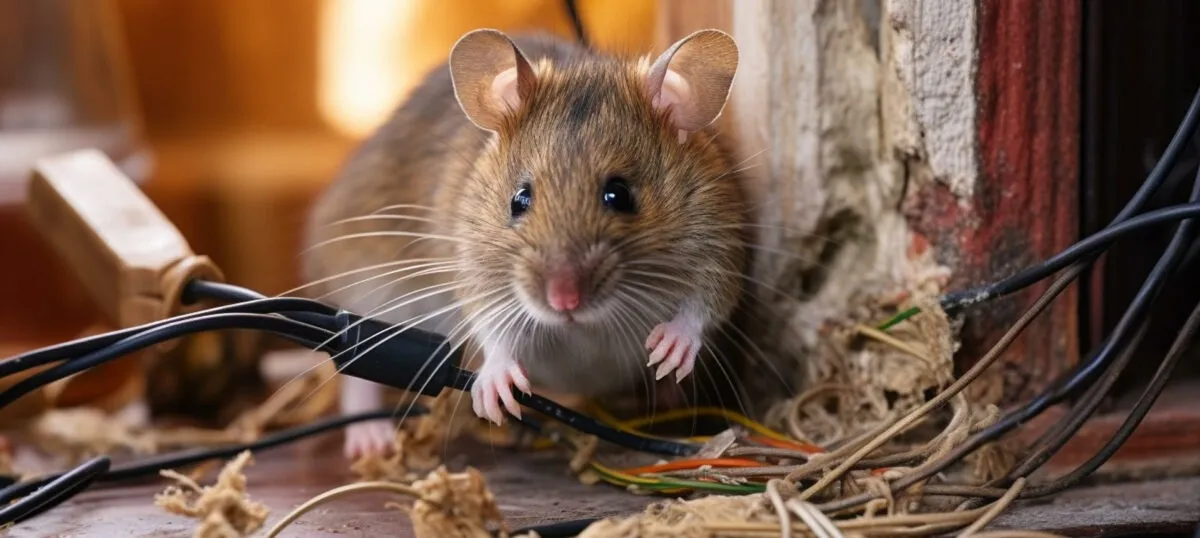
Introduction
A rodent infestation rarely begins with a visible rat running across the floor. In most cases, rodents settle inside a property long before homeowners realise there is a problem. They quietly nest in lofts, wall cavities, basements, garages, or drainage systems while searching for food, warmth, and shelter.
Ignoring early warning signs can lead to structural damage, contaminated food, unpleasant odours, and expensive repairs. Fortunately, modern Rodent control has evolved far beyond placing a few traps. Professional pest management now combines detailed property inspections, advanced CCTV drain surveys, exclusion techniques, and long-term prevention strategies to eliminate rodents at the source.
If you’ve recently searched for Rodent control services near me, understanding how today’s pest control specialists tackle infestations will help you choose the most effective solution.
Why Rodent Problems Continue to Grow
Rats and mice are incredibly adaptable animals. They only need a small opening to gain access to a property and can quickly establish a nesting area once they find food and water.
Several conditions encourage rodent activity, including:
-
Overflowing rubbish bins
-
Unsealed food storage
-
Untidy gardens
-
Damaged drainage systems
-
Cracked brickwork
-
Open air vents
-
Gaps around utility pipes
Because rodents reproduce rapidly, even a single pair can develop into a significant infestation within a relatively short period.
Hidden Places Where Rodents Usually Live
Many people assume rodents remain inside kitchens or lofts, but they often occupy areas that are rarely inspected.
Common nesting locations include:
Wall Cavities
Warm and protected wall spaces provide ideal shelter while allowing rodents to move unnoticed throughout the property.
Roof Spaces
Lofts offer insulation materials for nesting along with minimal human activity.
Garages and Storage Rooms
Boxes, stored furniture, and clutter create safe hiding places.
Basements
Underground spaces remain dark, damp, and undisturbed, making them attractive to rats.
Drainage Systems
One of the most overlooked nesting and travel routes is the underground drainage network.
Why Drain Pipes Frequently Become Rat Highways
Drainage systems naturally attract rodents because they provide everything needed for survival.
Inside drains, rats benefit from:
-
Constant moisture
-
Warm conditions
-
Waste food
-
Protection from predators
-
Direct access to connected buildings
Even minor defects within underground pipework can become entry routes into homes or commercial premises.
This is why experienced pest control technicians increasingly recommend CCTV drain inspections whenever recurring rat activity is suspected.
The Importance of CCTV Drainage Surveys
Unlike traditional inspections, CCTV drain technology allows professionals to investigate underground pipework without excavation.
Specialist cameras travel through drains, providing a clear view of the entire system.
During the survey, technicians can identify:
Broken Drain Pipes
Cracks and fractures often provide direct access for rodents.
Misaligned Pipe Connections
Displaced joints create small openings large enough for rats to squeeze through.
Damaged Inspection Chambers
Older drainage chambers frequently become vulnerable access points.
Blocked or Defective Pipework
Structural issues within drains often contribute to ongoing rodent problems.
Signs of Rat Movement
Video inspections may reveal nesting materials, droppings, or visible rodent activity inside the drainage system.
These findings help eliminate guesswork and allow treatments to target the actual source of infestation.
Understanding the Professional Rodent Control Process
Every infestation is different, so professional treatments are designed around the specific property rather than using a one-size-fits-all approach.
Step One: Detailed Inspection
The first stage focuses on identifying:
-
Entry routes
-
Nest locations
-
Feeding areas
-
Structural defects
-
Signs of recent activity
A thorough inspection ensures no hidden infestation is overlooked.
Step Two: Removing Existing Rodents
Once activity has been confirmed, technicians implement appropriate removal methods that may include:
-
Professional-grade traps
-
Secure bait stations
-
Targeted rodent treatments
-
Controlled removal techniques
Safety remains a priority throughout the process, particularly in homes with children or pets.
Step Three: Preventing Re-Entry
Eliminating rodents is only part of the solution.
Professionals also secure vulnerable access points by sealing:
-
Air brick openings
-
Pipe penetrations
-
Foundation cracks
-
Utility entry gaps
-
Roofline openings
This significantly reduces the likelihood of future infestations.
Step Four: Long-Term Monitoring
Where infestations have been severe, follow-up inspections help confirm complete eradication while monitoring for any new activity.
Practical Habits That Help Prevent Rodents
Although professional Rodent control provides the most reliable results, simple maintenance routines also make properties less attractive to rodents.
Keep Food Secure
Store cereals, pet food, and dry goods inside sealed containers.
Remove Outdoor Shelter
Trim overgrown vegetation and avoid stacking unused materials against walls.
Dispose of Waste Properly
Use bins with secure lids and empty them regularly.
Repair Minor Damage Promptly
Small cracks around pipes or foundations should never be ignored.
Monitor Drains
Unpleasant smells or repeated rodent sightings near inspection covers may indicate drainage problems requiring professional investigation.
Benefits of Investing in Professional Rodent Control
Professional pest management offers far more than temporary rodent removal.
Fast Identification
Experienced technicians quickly locate hidden infestations that homeowners often miss.
Reduced Property Damage
Early treatment protects wiring, insulation, timber, and pipework from rodent destruction.
Improved Hygiene
Professional removal reduces contamination risks associated with droppings and urine.
Tailored Solutions
Every treatment plan is customised according to the property’s condition and infestation level.
Lasting Prevention
Combining rodent removal with structural recommendations creates long-term protection.
Properties That Commonly Require Rodent Control
Rodents affect almost every type of building.
Professional services regularly assist:
-
Residential homes
-
Apartments
-
Schools
-
Restaurants
-
Cafés
-
Offices
-
Retail shops
-
Warehouses
-
Farms
-
Residential care facilities
-
Food businesses
-
Rental accommodation
Each environment requires different inspection methods and treatment strategies.
When DIY Methods Are No Longer Enough
Basic preventative measures can sometimes manage isolated rodent activity.
However, professional assistance becomes necessary when:
-
Rats continue returning
-
Multiple rodents are seen regularly
-
Droppings appear daily
-
Strange noises continue at night
-
Property damage increases
-
DIY traps produce limited results
-
Rodents are suspected inside drains
Searching for Rodent control services near me at this stage can prevent a manageable issue from becoming a costly infestation.
Selecting the Right Pest Control Company
Before choosing a pest control provider, look for companies that offer:
-
Qualified pest control technicians
-
Fully insured services
-
CCTV drainage survey capability
-
Guaranteed pest treatments
-
Local experience
-
Honest pricing
-
Strong customer reviews
-
Advice on future rodent prevention
A reliable company will not simply remove rodents but also explain why they entered and how to stop them returning.
Why Prevention Always Costs Less Than Repairs
Rodents are capable of causing significant financial damage over time.
Unchecked infestations may lead to:
-
Damaged electrical systems
-
Contaminated food stocks
-
Chewed insulation
-
Destroyed storage items
-
Structural deterioration
-
Business disruption
-
Hygiene concerns
Early intervention usually prevents these larger expenses while protecting the property’s value.
Conclusion
Successful Rodent control is about much more than removing the rodents you can see. Lasting protection comes from identifying hidden access points, inspecting vulnerable drainage systems, sealing structural defects, and implementing effective prevention strategies.
Professional inspections, combined with CCTV drain technology and tailored treatment plans, allow pest specialists to address the root cause instead of offering temporary fixes. If you’ve been looking for Rodent control services near me, choosing an experienced local team can help safeguard your home or business against future infestations.
With prompt action, regular maintenance, and expert support, it is possible to keep your property protected, hygienic, and free from unwanted rodent activity throughout the year.