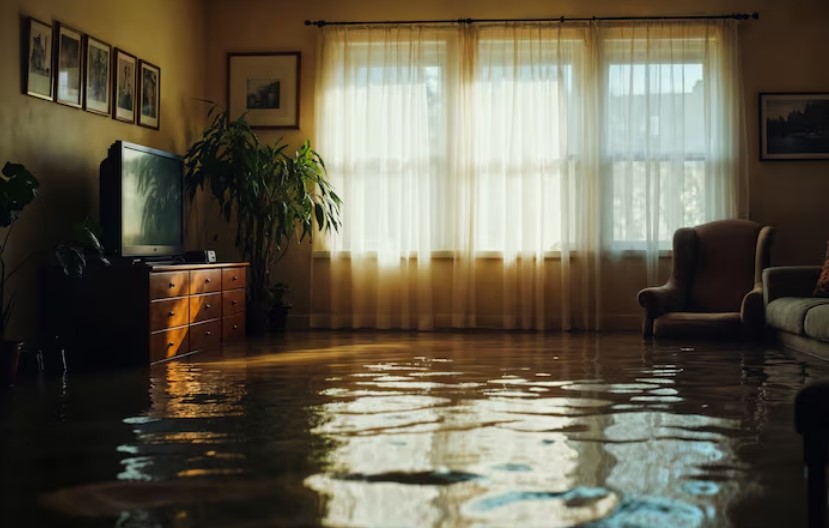
Basement flooding is a frustrating problem that can cause extensive property damage, expensive repairs, and long-term moisture issues. While heavy rainfall is often blamed for water entering basements, several less obvious factors can contribute to flooding. Many homeowners overlook minor structural weaknesses, drainage problems, and plumbing issues until significant damage has already occurred.
Understanding the hidden reasons for basement flooding can help homeowners recognize potential problems before they become serious. From deteriorating foundation materials to poorly maintained drainage systems, identifying these risks early can protect a home’s structural integrity and reduce the likelihood of costly restoration work.
Poor Landscape Grading Around the Foundation
One commonly overlooked cause of basement flooding is improper landscape grading. The ground surrounding a home should slope away from the foundation, allowing rainwater to flow toward appropriate drainage areas. However, soil settlement, landscaping changes, and construction activities can gradually alter this slope.
When the ground slopes toward the house, water collects near the foundation and increases pressure against basement walls. Over time, moisture may enter through small cracks or vulnerable joints.
Homeowners should periodically inspect the soil around their properties, particularly after landscaping projects or significant rainfall. Correcting drainage patterns can significantly reduce the amount of water accumulating near basement walls.
Hidden Cracks in Foundation Walls
Foundation cracks are another important factor contributing to basement water intrusion. While large cracks are usually noticeable, smaller openings can remain hidden behind finished walls, insulation, or stored belongings.
These cracks may develop because of natural settling, soil movement, temperature fluctuations, or hydrostatic pressure. Even narrow openings can allow groundwater to seep into a basement when surrounding soil becomes saturated.
Regular foundation inspections can help identify developing problems. Damp patches, peeling paint, mineral deposits, and unexplained moisture may indicate that water is entering through concealed structural openings.
Clogged or Damaged Underground Drainage Systems
Many homes rely on underground drainage systems to redirect water away from their foundations. Unfortunately, these systems can become blocked by sediment, tree roots, or accumulated debris.
When drainage pipes stop functioning properly, water may collect around the foundation instead of moving toward designated outlets. This increases the likelihood of seepage through basement walls and floors.
Because underground drainage components are not easily visible, homeowners may remain unaware of problems until flooding occurs. Professional drainage inspections can help identify blockages, damaged pipes, and areas requiring maintenance.
Sump Pump Problems That Go Unnoticed
A sump pump plays an important role in removing excess groundwater from basements. However, homeowners sometimes assume the equipment is functioning correctly simply because it has not caused problems previously.
Power outages, clogged discharge lines, faulty switches, and mechanical failures can prevent sump pumps from operating when needed most.
Testing the pump periodically and keeping the sump pit clear of debris can help maintain reliable performance. Installing a battery backup system may provide additional protection during storms that interrupt electricity.
Plumbing Leaks Behind Walls and Beneath Floors
Not every basement flood originates outside the home. Hidden plumbing leaks can gradually release water into enclosed spaces, creating moisture problems that remain unnoticed for weeks or months.
Aging supply pipes, loose fittings, deteriorating seals, and damaged water heaters can all contribute to unexpected basement flooding.
Homeowners should pay attention to unexplained increases in water bills, musty odors, damp flooring, and unusual sounds from plumbing systems. Promptly fixing small leaks can lower the chance of mold growth and stop significant water damage.
Sewer Backups and Overloaded Drainage Lines
Sewer backups are among the more unpleasant reasons for basement flooding. Blocked sewer lines, tree root intrusion, and overloaded municipal drainage systems can cause wastewater to flow backward through basement drains.
This type of flooding presents additional concerns because contaminated water may contain harmful microorganisms and other hazardous materials.
Regular sewer line maintenance and properly installed backwater valves can help reduce backup risks. When wastewater enters a basement, professional cleanup is generally necessary to address contamination safely.
Snowmelt and Seasonal Groundwater Changes
Homeowners in colder regions, including Colorado, may experience basement flooding during periods of rapid snowmelt. As accumulated snow melts, large quantities of water enter the surrounding soil.
When the ground remains frozen or becomes saturated, water may struggle to drain naturally. This creates pressure around foundation walls and increases the possibility of basement seepage.
Seasonal groundwater changes can also expose weaknesses in waterproofing systems that remain unnoticed during drier months.
The Connection Between Basement Flooding and Mold Growth
Even relatively minor flooding can create conditions that encourage mold development. Moisture trapped beneath flooring, behind drywall, or inside insulation may remain long after visible water has been removed.
Under the right circumstances, mold can grow on damp materials in 24 to 48 hours. Persistent moisture may also contribute to unpleasant odors and deterioration of building materials.
Proper water extraction, thorough drying, moisture monitoring, and professional mold remediation when necessary are important steps toward restoring a healthy indoor environment.
Conclusion
Basement flooding is not always the result of severe storms or obvious plumbing failures. Poor grading, concealed foundation cracks, underground drainage problems, sump pump malfunctions, and seasonal groundwater changes can all contribute to unexpected water intrusion.
Recognizing these hidden risks allows homeowners to take preventive measures before minor moisture problems develop into extensive damage. Routine inspections, drainage maintenance, and timely repairs can help protect basements, preserve property value, and create a safer living environment.