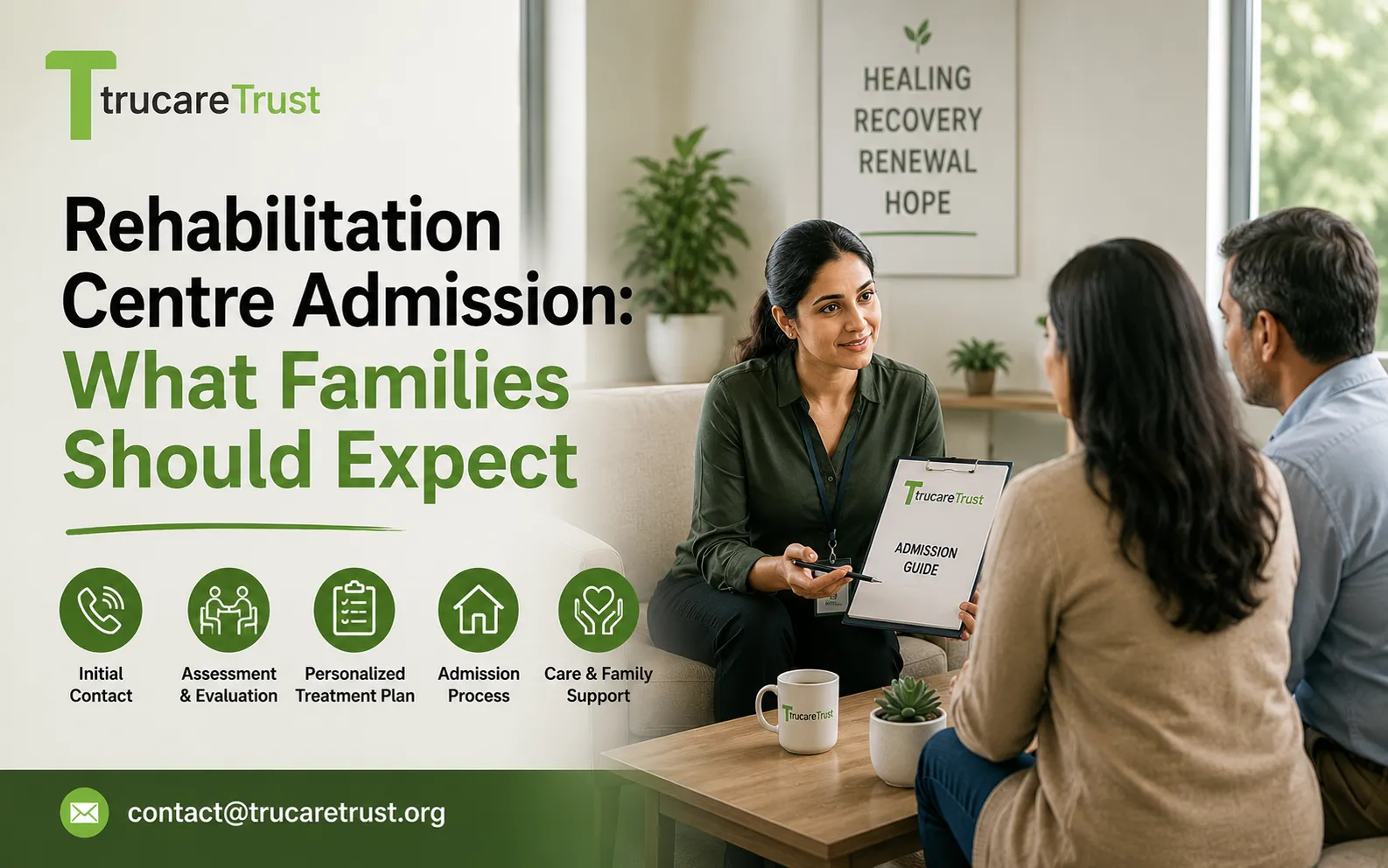
Admission can bring relief, anxiety and many practical questions. Families often wonder what to pack, when contact will be allowed and what happens during the first few days. Responsible Mumbai rehabs should explain the process before arrival and provide written information about care, costs, consent and communication.
The Pre-Admission Conversation
An initial call usually gathers information about the substance used, frequency, last use, withdrawal history, medical conditions, prescribed medicines, mental-health symptoms and previous treatment. Accurate answers matter. Concealing seizures, self-harm, aggression or serious illness can place the person and staff at risk.
The centre should confirm whether it can safely meet those needs. Some people require admission to a medical hospital before rehabilitation. Families should receive a clear fee structure, likely additional charges, expected programme length, refund terms and a list of permitted belongings.
Registration, Consent and Personal Belongings
On arrival, identity and medical documents may be checked. Medicines should be handed to clinical staff in their original packaging. Bags are commonly screened for alcohol, drugs, unapproved medication, sharp objects and other unsafe items. The search process must protect dignity and privacy.
Staff should record valuables securely and give the family a receipt for retained items.
Treatment, information sharing, photographs and contact with relatives require appropriate consent. Procedures must follow the Mental Healthcare Act, 2017 and other applicable legal safeguards. Admission should never involve threats, physical punishment or misleading promises.
Medical and Psychological Assessment
The first assessment may include pulse, blood pressure, temperature, withdrawal symptoms, nutrition, sleep, injuries and mental state. Clinicians may request laboratory tests or hospital evaluation when indicated. A counsellor will usually explore substance-use patterns, triggers, family relationships, work and previous attempts at recovery.
This is not an interrogation. The purpose is to identify risks and create an individual treatment plan. Families can provide useful history, but clinical confidentiality means that every detail discussed in therapy may not be shared with relatives.
The First 24 to 72 Hours
The opening days often focus on stabilisation and orientation. A resident may feel tired, anxious, irritable, ashamed or eager to leave. Withdrawal can also affect sleep, appetite and concentration. Staff should monitor symptoms and arrange medical care when necessary.
Phone calls and visits may initially be limited to reduce stimulation or protect privacy. The reason, duration and emergency contact process should be explained in advance. Restrictions must serve a legitimate safety or therapeutic purpose, not isolate the resident indefinitely.
Beginning the Programme
Once stable, the person is introduced to the daily schedule. This may include medical reviews, individual counselling, group sessions, recovery education, exercise, meals and rest. Family meetings may later address communication, boundaries, financial enabling and planning for discharge.
Progress should be reviewed regularly. Families can ask who is responsible for updates, how complaints are handled, what happens during a medical emergency and how treatment changes are authorised.
Preparing for Discharge From the Start
Admission is the beginning of treatment, not the entire solution. Aftercare planning should cover follow-up appointments, prescribed medication, relapse warning signs, peer support, work or study and the home environment.
Before selecting among Mumbai rehabs, families should verify clinical qualifications, emergency arrangements, confidentiality, written fees and discharge support. A transparent admission process builds trust and allows the person to enter treatment with clearer expectations and greater dignity.