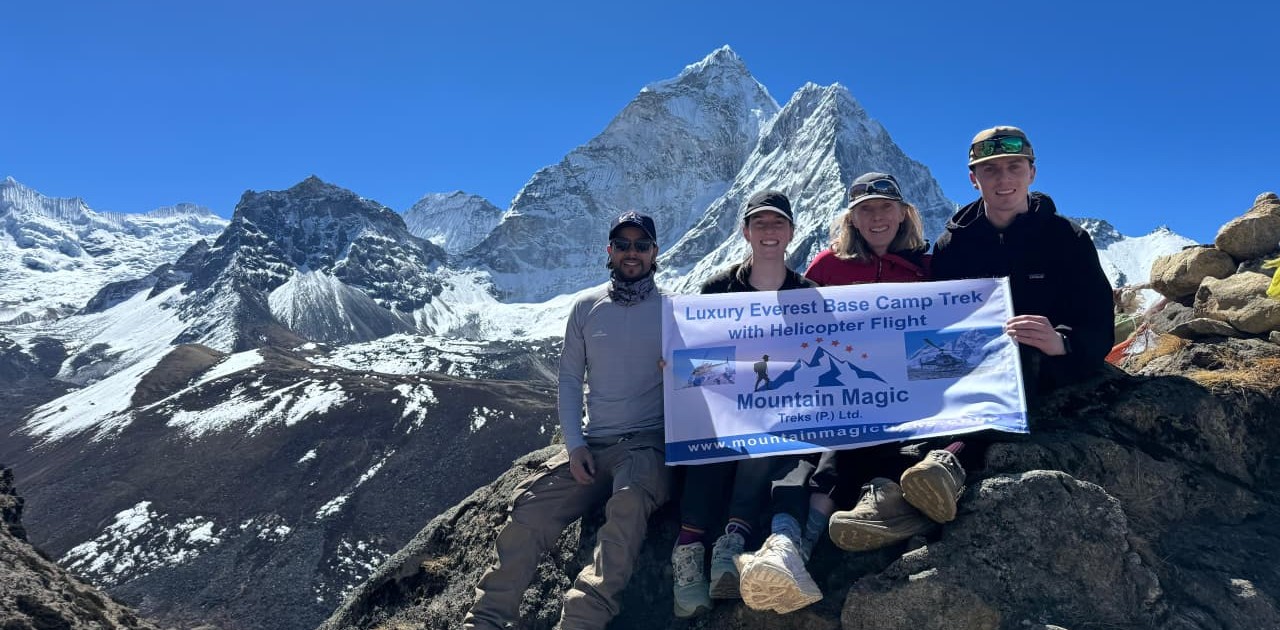
Choosing the right time for an Everest trek can make a big difference. The same trail can feel completely different depending on the season. Clear mountain views, cold mornings, rain, snow, and flight conditions can all affect your experience.
The Everest Base Camp Trek with helicopter return is a great option for travelers who want to explore the Everest region on foot and then save time by flying back. But before choosing your travel dates, it is important to understand what each season can offer.
Good timing can give you better views, more comfortable walking conditions, and a smoother overall journey.
Spring Brings Color to the Mountains
Spring is one of the most popular periods for trekking in Nepal. The season usually runs from March through May.
Temperatures become more comfortable, and the lower parts of the trail begin to look colorful as flowers bloom.
March Offers a Fresh Start
March can still feel cold, especially during mornings and nights.
However, conditions generally begin to improve as the month progresses. The trails are less affected by the summer monsoon, and mountain scenery can be impressive on clear days.
If you prefer cooler weather and want to avoid the busiest part of the spring season, early March can be worth considering.
April and May Bring Warmer Days
April is often a favorite month for Everest trekking.
The days are generally pleasant for walking, while the lower valleys can show beautiful spring growth.
May can also offer good trekking conditions, although temperatures and weather patterns can begin to change as summer approaches.
For the Everest Base Camp Trek with helicopter return, spring is also attractive because clear weather is important for mountain flights.
Autumn Is Another Strong Choice
September through November is another popular trekking period.
The monsoon season has usually ended, leaving clearer skies and fresh mountain landscapes.
October Often Has Excellent Visibility
October is widely considered one of the strongest months for trekking in the Everest region.
The skies can be clear, making it easier to enjoy views of the Himalayan peaks.
The trails can also be busy because many international travelers choose this period.
If mountain views are your top priority, October deserves serious consideration.
November Brings Colder Nights
November can still provide good trekking conditions, particularly earlier in the month.
Temperatures become colder as winter gets closer, especially at higher elevations.
You will need warm clothing, but the crisp mountain air can create beautiful views.
What About Winter?
December through February brings much colder conditions.
Higher parts of the Everest region can become extremely cold, and snow can affect trails.
Winter Has One Big Advantage
There are generally fewer trekkers compared with spring and autumn.
If you dislike busy trails and do not mind cold weather, winter may have some appeal.
However, you need to be better prepared for freezing temperatures and changing mountain conditions.
Helicopter operations can also be affected by weather, so flexibility becomes even more important.
Should You Trek During the Monsoon?
The summer monsoon generally affects Nepal from June through August.
Heavy rain is common in many parts of the country during this period.
Rain Can Affect Your Plans
Clouds and rain can reduce mountain visibility.
Flights to and from mountain areas may also face delays or changes when conditions are poor.
For the Everest Base Camp Trek with helicopter return, this matters because the helicopter portion depends on safe flying conditions.
This does not mean summer trekking is impossible, but it requires more patience and flexibility.
Think About More Than Mountain Views
The best travel season depends on what you want from the trip.
Some travelers care most about clear views. Others prefer fewer people or warmer temperatures.
Before booking the Everest Base Camp Trek with helicopter return, think about your personal priorities.
Ask Yourself Three Questions
Consider:
-
Do I want the clearest possible mountain views?
-
Am I comfortable trekking in colder weather?
-
Can I handle possible flight delays?
Your answers can help narrow down the best period.
Why Weather Matters for the Helicopter
The helicopter return is one of the biggest differences between this trip and a traditional Everest trek.
But helicopters cannot operate safely in every type of weather.
Keep Your Schedule Flexible
Cloud cover, strong winds, poor visibility, and other conditions can affect flights.
This means you should avoid planning an important international flight immediately after your expected helicopter arrival.
A little extra time in your schedule can prevent unnecessary stress.
The Everest Base Camp Trek with helicopter return should be treated as a mountain adventure, not a trip with perfectly predictable transport.
What Should You Pack by Season?
Your packing list should change slightly depending on when you travel.
Spring and autumn still require warm layers because temperatures drop at night.
Winter requires heavier protection against the cold.
During wetter periods, waterproof clothing becomes more important.
A Few Essentials for Every Season
No matter when you travel, useful items include:
-
Comfortable trekking shoes
-
Warm layers
-
Waterproof jacket
-
Gloves
-
Sunglasses
-
Sunscreen
-
Water bottle
-
Headlamp
-
Personal medicines
-
Small daypack
Good preparation matters more than carrying too many things.
The Best Season Is the One You Can Enjoy
There is no single perfect month for every traveler.
Spring and autumn are popular because they often provide favorable trekking conditions and good mountain visibility.
Winter can suit experienced travelers who enjoy cold weather, while the monsoon season requires greater flexibility.
For many travelers, autumn and spring remain the easiest choices.
Final Thoughts
The Everest Base Camp Trek with helicopter return can be an unforgettable Himalayan adventure, but timing deserves careful thought.
Spring offers colorful landscapes and improving weather. Autumn often brings clear skies and excellent mountain views. Winter provides a quieter experience but much colder conditions, while the monsoon season can bring rain and flight uncertainty.
Whatever season you choose, prepare for changing mountain weather and keep your plans flexible.
The right date will not remove every challenge, but it can make the journey more comfortable and enjoyable. Choose your season carefully, pack according to the conditions, and give yourself enough time to experience the Everest region without rushing.
Frequently Asked Questions
Which season is best for the Everest Base Camp Trek with helicopter return?
Spring and autumn are generally the most popular choices because they often offer favorable trekking conditions and good mountain visibility.
Is October a good month for Everest Base Camp?
Yes. October is a popular month because the weather can provide clear mountain views and comfortable trekking conditions.
Can I trek to Everest Base Camp in winter?
Yes, but winter brings much colder temperatures and potentially difficult conditions at higher elevations.
Can monsoon weather affect the helicopter?
Yes. Rain, clouds, wind, and poor visibility can affect helicopter operations.
Should I leave extra time after the trek?
Yes. Keeping some flexibility after the helicopter journey is wise because mountain weather can change quickly.