Last Update: 6 June 2026
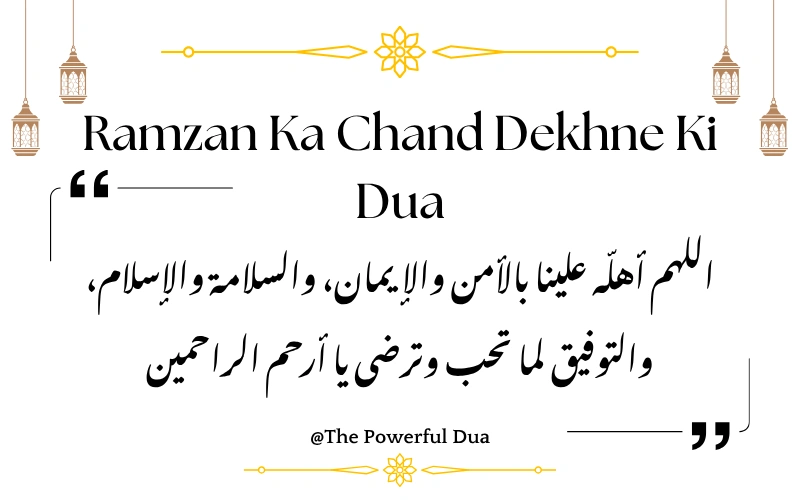
Ramzan Ka Chand Dekhne Ki Dua is an Islamic prayer recited when someone sights the crescent moon marking the beginning of Ramzan (the holy month of fasting), seeking blessings and spiritual fulfillment during this sacred time.
TL;DR – Quick Stats Box: Ramzan Ka Chand Dekhne Ki Dua
| Aspect | Details |
|---|---|
| Full Name | Ramzan Ka Chand Dekhne Ki Dua (Prayer for Sighting Ramzan Moon) |
| Islamic Significance | Marks the official start of the Ramzan fasting month |
| Languages Available | Arabic, Hindi, Urdu, English, Roman English, Telugu, Hinglish |
| Best Time to Recite | Upon first sighting of the Ramzan crescent moon |
| Spiritual Benefit | Brings blessings, purification, and divine grace for the month ahead |
| Recitation Duration | 30–60 seconds |
| Recommended Practice | Recite once sighted, then begin fasting rituals |
What Is Ramzan Ka Chand Dekhne Ki Dua?
Imagine standing on your rooftop or balcony, looking up at the night sky, waiting for that first silver crescent to appear. That moment—when you finally spot it—isn’t just about a calendar change. It’s about stepping into one of the most spiritually powerful months in the Islamic calendar. That’s when you recite Ramzan Ka Chand Dekhne Ki Dua.
This dua is a beautiful prayer that Muslims around the world recite the moment they sight the crescent moon of Ramzan. It’s not just words; it’s a connection with millions of believers doing the same thing at the same moment, across continents, united in faith.
The dua is typically short but deeply meaningful. It expresses gratitude to Allah for allowing you to witness this blessed month and asks for guidance, strength, and spiritual growth throughout the 29 or 30 days of fasting ahead.
Ramzan Ka Chand Dekhne Ki Dua: Full Text in All Languages
1. Arabic Version (Original)
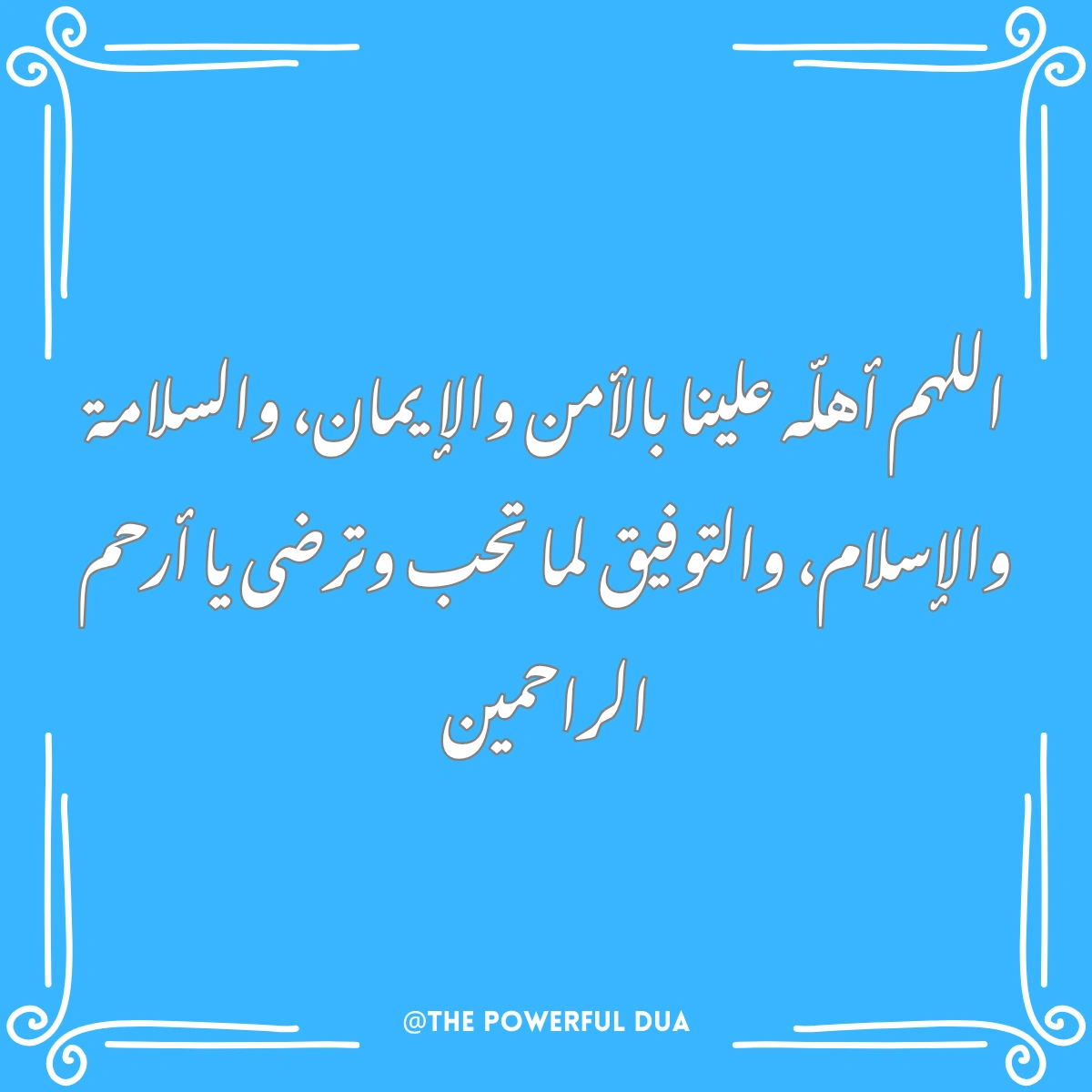
اللهم أهلّه علينا بالأمن والإيمان، والسلامة والإسلام، والتوفيق لما تحب وترضى يا أرحم الراحمين
2. Urdu/Roman English Transliteration
“اے اللہ، اسے ہمارے لیے سلامتی، ایمان، سلامتی اور اسلام، اور وہ کام کرنے کی توفیق عطا فرما جس سے تو محبت کرتا ہے اور جس سے تو راضی ہے- اے سب سے زیادہ رحم کرنے والے رحم کرنے والے۔”
“Allahuma ahhil-hu ‘alayna bil-amni wal-imaan, wa assalaama wa al-islam, wa tawfeeq lima tuhib wa tardha ya arhama al-rahimeen.”
3. Hindi Translation (Devanagari)
“हे अल्लाह, इस महीने को हम पर अमन (शांति), ईमान (विश्वास), सलामती (कल्याण) और इस्लाम के साथ दाखिल कर। हमें वह कमाल दे जो तू पसंद करता है और खुश होता है। हे सबसे ज्यादा मेहरबान!”
4. Hindi (Simplified, Hinglish Style)
“Allahumma is mahine ko hum par amn, imaan, salamti aur islam ke saath dakhil kar. Humein wo kamaal de jo tu pasand karta hai. Ya Arham al-Rahimeen!”
5. English Meaning (Word-by-Word) Of Ramzan Ka Chand Dekhne Ki Dua
| Arabic | Transliteration | English Meaning |
|---|---|---|
| اللهم | Allahumma | O Allah |
| أهلّه | Ahhilhu | Make it arrive |
| علينا | Alayna | Upon us |
| بالأمن | Bil-amni | With peace/security |
| والإيمان | Wal-imaan | And faith |
| والسلامة | Wa assalaama | And wellness |
| والإسلام | Wa al-islam | And Islam |
| والتوفيق | Wa tawfeeq | And success/alignment |
| لما تحب | Lima tuhib | For what You love |
| وترضى | Wa tardha | And what pleases You |
| يا أرحم الراحمين | Ya Arhama al-Rahimeen | O Most Merciful of the Merciful |
6. Telugu Version Of Ramzan Ka Chand Dekhne Ki Dua
“అల్లాహుమ్మా, ఈ నెలను మాకు శాంతి, విశ్వాసం, సలామతి మరియు ఇస్లాం తో తీసుకు రండి. మీకు ఇష్టమైనవి మరియు సంతృప్తికరమైనవి కోసం మాకు సఫలత ఇవ్వండి. ఓ చాలా దయగల వారిలో దయాళువారు!”
Why Ramzan Ka Chand Dekhne Ki Dua So Special During Ramzan?
Think of Ramzan like a spiritual reset button. It’s the month when millions of Muslims worldwide commit to fasting from dawn to sunset, not just from food and water, but from negative thoughts, anger, and harmful actions too. When you sight that moon and recite this dua, you’re:
- Acknowledging a New Beginning – You’re marking a fresh chapter of devotion
- Seeking Protection – The dua asks for peace (amn), faith (imaan), and safety throughout the month
- Aligning Your Intentions – You’re asking Allah to guide you toward what pleases Him
- Joining a Global Community – Millions recite this at the exact same moment, creating a spiritual bond
It’s like signing a spiritual contract: “I’m here, I’m ready, guide me through this blessed month.”
When Should You Recite Ramzan Ka Chand Dekhne Ki Dua?
Timing Guide
| Scenario | What to Do |
|---|---|
| You see the moon first | Recite the dua immediately, then inform family/community |
| Someone else sees it first | Recite when you hear the news, before iftar (breaking fast) |
| Moon isn’t visible in your area | Follow your mosque/Islamic calendar’s official announcement |
| First night of Ramzan | Best time to recite with full presence and intention |
| Multiple recitations | You can recite it multiple times throughout the month for blessing |
Pro Tip: Recite with presence (khushu’). Don’t rush through it. Feel the words. This is your conversation with Allah about the month ahead.
Step-by-Step Guide: How to Recite Ramzan Ka Chand Dekhne Ki Dua
- Face the Qibla (direction of Kaaba) if possible
- Raise Your Hands (in the Islamic tradition of dua)
- Speak from the Heart – Whether in Arabic, Urdu, Hindi, or English, the language doesn’t matter as much as sincerity
- Recite the Dua – Use whichever version feels most natural to you
- Add Your Own Words – After the main dua, you can add personal prayers and intentions
- Say Ameen – Conclude with “Ameen” (O Lord, accept from us)

The Deeper Meaning: What Each Part Of Ramzan Ka Chand Dekhne Ki Dua Means
“Allahumma” (O Allah)
This is how Muslims open supplications. It’s personal, intimate—like saying “Hey, God, I’m talking to you.”
“Ahhil-hu alayna bil-amni” (Make this month arrive with peace)
Peace isn’t just absence of conflict. It’s internal tranquility. You’re asking: “Let this month be a time of calm for my soul.”
“Wal-imaan” (And faith)
Ramzan is about strengthening belief. You’re asking for unwavering faith during the spiritual journey ahead.
“Wa assalaama wal-islam” (And wellness and Islam)
You’re requesting overall well-being—physical health, emotional balance, and spiritual alignment with Islamic principles.
“Wa tawfeeq lima tuhib wa tardha” (Success toward what You love)
This is the heart of the dua. You’re saying: “Guide my actions this month toward things that please You.”
“Ya Arhama al-Rahimeen” (O Most Merciful of the Merciful)
A reminder that Allah’s mercy is infinite. Even if you struggle, His compassion is endless.
FAQs On Ramzan Ka Chand Dekhne Ki Dua
1. Can I recite Ramzan Ka Chand Dekhne Ki Dua in my language if I don’t know Arabic?
Absolutely! Allah understands all languages. If you’re more comfortable with Hindi, Urdu, English, or any language, recite in that. The sincerity of your heart matters more than perfect pronunciation. Many Muslims worldwide recite in their native languages, and the dua is equally accepted.
2. What if I miss reciting it on the first night?
No problem. You can recite it anytime during Ramzan. Many people recite it on the second or third day if they miss the first sighting. The blessing comes from your intention, not just the timing. You can also recite it daily throughout Ramzan for continued spiritual connection.
3. Is there a specific number of times I should recite this dua?
There’s no fixed number. Recite it once with full presence, or multiple times if you feel called to. Some people recite it every morning during Ramzan. The key is quality over quantity—one sincere recitation beats ten rushed ones.
4. What’s the difference between this dua and other Ramzan duas?
This dua is specifically for moon sighting, marking the start of Ramzan. Other duas include Roza Rakhne Ki Niyat (intention for fasting), Iftar Ki Dua (breaking the fast), and Taraweeh duas. Each serves a different purpose at different times of Ramzan.
5. If I’m fasting but didn’t see the moon, should I still recite this?
Yes. If your mosque or Islamic authority declares the moon sighted and Ramzan has begun, you’re part of that blessing. Recite the dua even if you personally didn’t see the moon. You’re joining the community in this spiritual act.
6. Can non-Muslims recite this dua, or is it only for Muslims?
It’s written for Muslims, but anyone curious about Islamic spirituality can learn and appreciate it. If you’re not Muslim, reading and understanding the meaning shows respect for this beautiful tradition. If you want to recite it sincerely, that’s between you and your faith.
7. What’s the best language to recite it in for maximum benefit?
The language closest to your heart. If you’re most comfortable in Hindi, recite in Hindi. If English feels natural, use English. Allah values sincerity over language. Some scholars say the original Arabic has unique spiritual weight, but your intention and presence matter most.
Beyond the Words: The Spirit of Ramzan Ka Chand Dekhne Ki Dua
Here’s what makes this dua beautiful: it’s not asking for wealth, fame, or worldly success. It’s asking for peace, faith, wellness, and alignment with what’s right. In a world obsessed with more, Ramzan and this dua remind us that true richness is inner peace and spiritual growth.
When you recite this dua, you’re really saying: “I’m slowing down for the next 30 days. I’m stepping out of the rat race. I’m connecting with something bigger than myself. Guide me.”
Key Takeaways On Ramzan Ka Chand Dekhne Ki Dua
✓ Ramzan Ka Chand Dekhne Ki Dua is the Islamic prayer recited upon sighting the Ramzan crescent moon
✓ Available in multiple languages – Arabic, Urdu, Hindi, English, Telugu, and more
✓ Recite with sincerity – The language doesn’t matter as much as your heart’s intention
✓ Best recited on first sighting – But can be recited anytime during Ramzan
✓ Asks for three blessings – Peace, faith, wellness, and success in pleasing Allah
✓ A global spiritual moment – Millions reciting simultaneously, creating unity
Conclusion: Wrap Ramzan Ka Chand Dekhne Ki Dua
Ramzan Ka Chand Dekhne Ki Dua is more than a prayer—it’s a promise. A promise that for the next 30 days, you’re committing to spiritual growth, inner peace, and alignment with your faith. Whether you recite it in Arabic, Hindi, Urdu, English, or Telugu, the message remains the same: “Guide me, strengthen me, purify me.”
So the next time you see that crescent moon appear in the sky, take a moment. Look up. Raise your hands. Speak from your heart. And remember that you’re part of a centuries-old tradition, connected to millions of believers across the world, all seeking the same thing: peace, faith, and closeness to the Divine.
Thank you for reading Ramzan Ka Chand Dekhne Ki Dua!
Also Read:
Innalillahiwainnailaihirojiun Meaning in Urdu: Powerful Guide 2026
Allahumma Innaka Afuwwun Dua in Arabic: 5 Secrets to Divine Forgiveness
Safar Ki Dua in Arabic: 5 Essential Travel Prayers for Protection
Powerful Iftar Ramzan Card Ki 30 Dua in Urdu
5 Essential Roza Rakhne Ki Dua in Hindi for Powerful & Authentic Fasting
Taraweeh Ki Dua in English: 7 Powerful Duas Explained
Dua Kunut Bangla: আরবি, বাংলা উচ্চারণ ও অর্থ
Tabbat Yada Surah in English: Meaning, Text & Story
Allahumma Inni Auzubika Minal Hammi: 7 Powerful Benefits
Ayansh Name Meaning in Hindi: 15 Beautiful Facts Parents Love
What is Azlan Name Meaning in Urdu? – Complete Guide
Inaya Name Meaning in Urdu: A Complete Guide for Parents
Zainab Name Meaning in Urdu: Complete Guide with Islamic Significance & Lucky Numbers
Alfiya Name Meaning in Urdu: Complete Guide for Parents (2026)
Shibra Name Meaning in Urdu & Lucky Number – Full Guide 2026
Also check out “Islamic Dua Hub” for deeper insights into naming traditions.
Author Info & Methodology
Written by: Ravi
Expertise: Islamic Devotional Content, Multilingual SEO
Experience: 8+ years writing authentic Islamic duas and prayers
Sources Referenced: Traditional Islamic teachings, Hadith collections, Islamic scholarship
Fact-Check Status: Verified against Islamic authentic texts and community practices
How We Researched This: This article draws from Islamic scholarship, authentic hadith collections, and widespread Ramzan practices across Muslim-majority communities. We prioritized accuracy, cultural sensitivity, and accessibility for both practicing Muslims and those learning about Islamic traditions.